
Morning Sickness, Breastfeeding, and Now Pelvic Organ Prolapse?
Nobody Warned Me About This Part of Motherhood!
Before kids, you used to do it all
You went to spin class on Saturday mornings
You hiked with your friends, you danced into the night, and you lifted heavy things without thinking twice
You pictured yourself being the kind of parent who runs around and has fun with their kids
But now…things feel different
Now you feel nervous to leave the house for too long
You might skip the gym after work, not because you don’t want to go, but because you’re afraid of making it worse
You’ve tried the creams,the kegels, and countless home remedies, but nothing seems to help
You might’ve talked to a doctor about it only to hear:
“That’s just what happens when you have kids”
Or maybe you've been told not to lift anything too heavy - like that’s realistic when you have a child growing faster than your patience
You might’ve wondered if this means you shouldn’t have any more kids
You might’ve even questioned if you’ll ever feel like yourself again
Pelvic organ prolapse is real
It’s not just in your head
You deserve a lot more than a shrug from your doctor and a lifetime of “just dealing with it”


Talking About Women's Health Isn't Oversharing - It's Overdue!
You may feel like you're the only one going through this because nobody seems to be talking about it.
The Truth?
Pelvic organ prolapse is a lot more common than you might think. Lots of people are dealing with it and feel too ashamed to talk about it.
The Real Problem?
Women's health issues have been considered a taboo topic for far too long. It's time for a change!
At NeuEve, we're willing to talk about the things nobody else will so you never have to feel alone again. We promise to offer our friends real, long-term solutions that will help you get back to feeling great!
Here's How:
1. Order Your Pelvic Organ Prolapse Treatment Kit
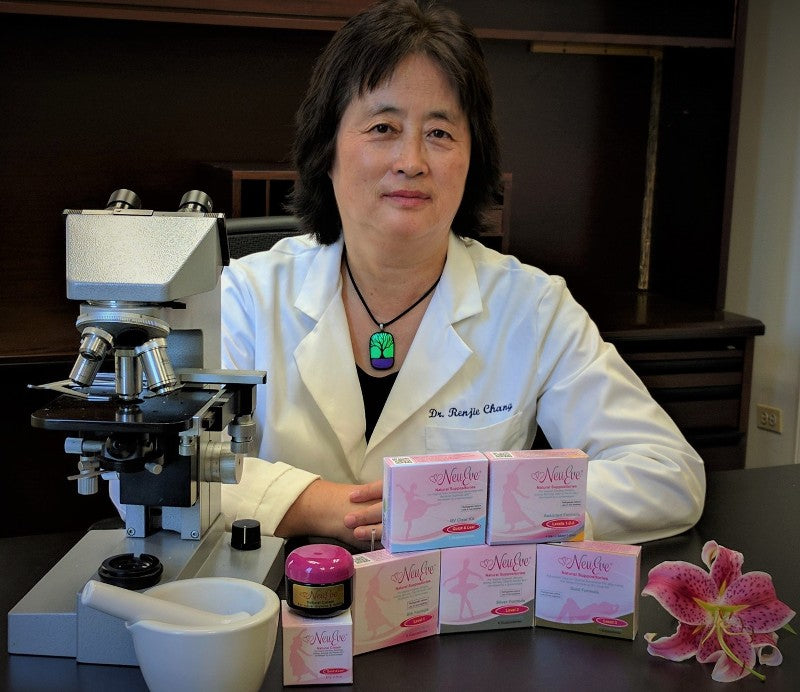
Find the treatment plan created specifically for women exactly like you, by me, an OBGYN.

2. Ships Fast and Discreet
Order the treatment plan online, and it comes discreetly to your mailbox in a few days.
Only about $60 - $100 per month. No insurance needed, no doctor's appointments. It's painless.

3. Use and Feel Relief
Use as directed. Start to feel relief in as soon as two weeks! Full recovery in a few months. Zero pain or side effects.
Right Now You're Probably Wondering:
Pelvic organ prolapse, also known as POP happens when one or more of a person's pelvic organs (vagina, uterus, bladder, or rectum) sag or fall out of place.
Pelvic organ prolapse (POP) happens the when muscles, ligaments, tissues, and/or bones that support your pelvic organs become too weak to hold them in place.
Some reasons why a person may develop POP include:
- Menopause
- Childbirth (especially for people who gave birth to multiples like twins or triplets, or had a long and complicated labor and delivery)
- Pregnancy
- Long Term or Chronic Constipation
- Being Overweight
- Genetics
- A job or lifestyle that involves frequent heavy lifting
1. Pelvic Pain
Pelvic organ prolapse (POP) causes pressure on the vaginal wall.
People who POP may have a consistent, heavy feeling in the pelvis.
2. Noticeable Bulge
A person with POP may feel or see a bulge or lump either in the vagina or coming out of the vagina.
3. Urinary Problems
- Feeling the urge to urinate more frequently
- Feeling no relief after emptying the bladder
- Not being able to completely empty the bladder
- Urine leaks during exercise (especially activities that involve a lot of running or jumping), laughing too hard, sneezing, or coughing
4. Bowel Problems
- Not being unable to completely empty the bowels
- Having to put fingers in the vagina to be able to pass stool (splinting)
5. Lower Back Pain
Pelvic organs are held in place by muscles and ligaments in the pelvis.
When those muscles weaken, pelvic organs can shift and cause discomfort.
This can lead to pain in the lower back, pelvis, groin, vagina, and lower belly.
7. Pain or Discomfort During Sex
There are several types of pelvic organ prolapse. It is possible, and common, to have more than one at once:
1. Cystocele (Bladder Prolapse):
Bladder prolapse is when the bladder bulges into the vaginal wall.
It is the most common form of pelvic organ prolapse.
2. Uterine Prolapse (Uterus):
Uterine prolapse occurs when the uterus bulges into the vagina or may even protrude outside the vagina.
3. Enterocele (Small Intestine):
Enterocele occurs when the small intestine drops and pushes into the top part of the vagina.
4. Rectocele (Rectum):
Rectocele occurs when the rectum sags against the vaginal wall.
5. Vaginal Vault Prolapse (Top of Vagina):
If the top of the vagina weakens, it can slide down into the lower vaginal canal and even drop down to the outside of the the vagina.
Pelvic organ prolapse (POP) is extremely common.
According to UChicago Medicine, it is estimated that 50% of women have some degree of POP.
Here's how common the different types are:
Cystocele (Bladder Prolapse):
Affects 50-70% of people with POP
Uterine Prolapse (Uterus):
Affects 20-30% of people with POP
Enterocele (Small Intestine):
Affects 5-15% of people with POP
Rectocele (Rectum):
Affects 20-30% of people with POP
Vaginal Vault Prolapse (Top of Vagina):
Affects 15-30% of people with POP
Stage 1: Mild prolapse. The organ drops into the upper part of the vagina
Stage 2: Moderate prolapse. The organ drops into the lower part of the vagina
Stage 3: Severe prolapse. The organ protrudes outside the vaginal opening
Stage 4: Complete prolapse. The organ bulges completely outside the vagina
NeuEve's products include:
1. Suppositories (medication inserted vaginally)
2. Topical Cream (cream applied directly to the vulva tissue)
3. Supplements (Dietary supplements taken orally)
NeuEve is the first and only natural remedy that uses nutrients from every angle : orally, topically and vaginally, to solve your health issues.
In the case of pelvic organ prolapse, NeuEve can help reverse vaginal atrophy by strengthening weak vaginal wall and pelvic floor muscles.
A stronger vaginal wall may push prolapsed pelvic organs back to its original position.
NeuEve works by a new (but also very old) concept, through direct topical nourishment.
Our products nourish all of the tissues and glands in the pelvic area, which help restore all of its lost function.
These nutrients promote collagen and elastin production which restores suppleness and elasticity to the vaginal canal.
Take supplements orally. Read More.
Insert suppositories vaginally right before bedtime, while staying horizontal. Read More.
Use the vaginal salve right after showering. Read More.
Yes! NeuEve contains no hormones so it does not interfere with anything, but, a lot of women like to use NeuEve to slowly wean off of estrogen.
Read More.
We are a small family business in Chicago, founded by Renjie Chang, an OBGYN.
Let's Break Down Your Treatment Options:
Risks & Benefits of Estrogen:
Because pelvic organ prolapse is frequently caused by low estrogen, estrogen is often used as a treatment.
While estrogen pills can improve symptoms, they can increase the risk of stroke, heart attack, and pulmonary embolism.
Additionally, estrogens inserted vaginally can be quickly absorbed into the blood and increase the risk of cardiovascular diseases.
A study from Harvard University provided evidence that estrogen directly causes breast cancer.
Estrogen also comes with a big price tag, averaging around $325 per month and can range between $100 and $550 a month depending on the type and dose used.
There are also some people who cannot safely take estrogen, such as breast cancer survivors and people who are taking certain medications.
A pessary is a device placed in the vagina that holds the pelvic organs in place.
Pessaries can be helpful in alleviating symptoms of bladder prolapse by lifting and supporting the pelvic organs.
However, a pessary can cause additional problems for users such as pain, bleeding, and even more difficulty urinating.
Risks & Benefits of Surgery:
Surgery as a treatment for pelvic organ prolapse can move the pelvic organs back to its proper place.
However, surgery can cost at least $9,000 or $15,000 for robotic-assisted abdominal surgery.
This can be very costly if you do not have medical insurance, or, if insurance will not cover all the expenses.
Surgery also has a high failure rate, ranging from 25%-60%.
The surgery often involves a pelvic mesh to fix the drop.
When the surgery fails, the patient has to have a follow up surgical procedure to remove it, which can be very invasive and require a lot of recovery time.
There are many complications associated with the vaginal mesh reported by the FDA including:
- Erosion of the mesh through the vagina
- Pelvic pain
- Serious infection
- Bleeding
- Pain during sex
- Perforation of the organ
- Urinary problems
Netflix made a feature-length movie about the horrors of vaginal mesh surgery.
Before you consider getting this surgery, watch "The Bleeding Edge" on Netflix
What is NeuEve?
NeuEve's treatment plans are typically composed of three things:
1. Suppositories (medication inserted vaginally)
2. Topical Cream (cream applied directly to the vulva tissue)
3. Supplements (Dietary supplements taken orally)
We offer different variations and combinations of supplements, topical creams, and suppositories depending on age and health concerns.
Why is NeuEve Great?
Effective:
NeuEve is a lot more effective than the competition, and the reviews speak for themselves . Thousands of people who used NeuEve have reported recovery when hormones and antibiotics failed.
Easy:
You don’t have to book appointments with doctors or have arguments with insurance companies. At NeuEve, we like to keep things simple so our friends can get their treatments from the comfort of their couches!
Risk-Free:
NeuEve is all-natural and causes no permanent damage or long term side effects. Once you stop using it, things go back to how they were.
We Offer Solutions - Not Science Experiments:
NeuEve was developed by a real OBGYN who understands women’s health instead of some guys in a lab who’ve never had a period cramp. We take pride in offering our friends effective, natural, and science-backed solutions without synthetic chemicals.
Top-Tier Customer Service:
If you ever have any questions, comments, or concerns about NeuEve, you can email, live chat, and text our team. Our customer service team provides round-the-clock support and works with you to solve your problems and provide you with the best experience possible.
Personalized Treatment:
NeuEve offers our friends treatments tailored to them based on their specific health concerns, age, and sensitivity.
Pelvic Organ Prolapse Treatment Plan Breakdown:
Find the Treatment Plan For You!
Select Your Age From the Menu Below and Find the Treatment Plan Tailored to You!
Use...
NeuEve Silver:
NeuEve Silver is a suppository (a type of medication inserted into the vagina) designed to strengthen the vaginal wall.
Each pack contains 6 suppositories, intended for one use every 5 days.
NeuEve Salve:
The salve is supposed to be absorbed by the vulva tissues around the urethra, which leads to the bladder.
Steps:
Step #1 Empty the bladder.
Step #2 Wash with soap and water.
Step #3 Gently apply a tiny amount of salve (1/4 a dime size) with a finger to the vulva at least once daily at bedtime.
Step #4: If no irritation occurs, gradually increase the amount, but, do not exceed a dime sized amount.
For effective relief: use both the suppository and salve
Use...
NeuEve Silk:
NeuEve Silk is a suppository (a type of medication inserted into the vagina) designed to strengthen the vaginal wall.
Each pack contains 8 suppositories intended for use twice a week.
NeuEve Salve:
The salve is supposed to be absorbed by the vulva tissues around the urethra, which leads to the bladder.
Steps:
Step #1 Empty the bladder.
Step #2 Wash with soap and water.
Step #3 Gently apply a tiny amount of salve (1/4 a dime size) with a finger to the vulva at least once daily at bedtime.
Step #4: If no irritation occurs, gradually increase the amount, but, do not exceed a dime sized amount.
For effective relief: use both the suppository and salve
Use...
NeuEve Velvet:
NeuEve Velvet is a suppository (a type of medication inserted into the vagina) designed to strengthen the vaginal wall.
Each pack contains 8 suppositories intended for use twice a week.
NeuEve Salve-Gentle:
The salve is supposed to be absorbed by the vulva tissues around the urethra, which leads to the bladder.
Steps:
Step #1 Empty the bladder.
Step #2 Wash with soap and water.
Step #3 Gently apply a tiny amount of salve (1/4 a dime size) with a finger to the vulva at least once daily at bedtime.
Step #4: If no irritation occurs, gradually increase the amount, but, do not exceed a dime sized amount.
For effective relief: use both the suppository and salve
For All Ages:
We suggest taking bone support supplements alongside the suppositories and salve for best results!
Why Bone Support?
You might be wondering, "what does bone support have to do with pelvic organ prolapse?" It's a good question. They may seem like entirely separate systems.
But, osteoporosis can increase the risk of pelvic organ prolapse (pop).
Here's How:
Osteoporosis is a condition that makes your bones thinner and weaker. When this happens to your bones in your hips and lower back, they might not hold your organs up as well like your bladder, uterus, and rectum.
The muscles in your lower belly, called the pelvic floor, help keep those organs in place. If your bones and muscles get weaker, its harder for your body to hold everything up, which can cause problems like bladder prolapse.
After menopause, women have less estrogen. As a result, this could make both bones and muscles weaker. This is why people who have gone through menopause are more likely to have issues with pelvic organs moving out of place.
Weaker bones means a higher chance of falling and getting hurt. If a woman with osteoporosis falls, she could injure her lower body, which may make pelvic problems worse.
Conclusion:
While osteoporosis does not directly cause pelvic organ prolapse, it can make your bones and muscles weaker.
This can make it more likely for the organs like the bladder, uterus, rectum, or colon to move out of place.
People with a prolapse may have weak bones and not even know it.
This is why taking the right supplements can help your bones grow stronger and stop osteoporosis from making things worse.
In Addition to NeuEve We Also Recommend:
Why See A Physical Therapist?
Seeing a physical therapist that specializes in pelvic health is a great idea for several reasons:
1. They're the Experts
Pelvic floor PTs are trained to treat POP through targeted, personalized exercises. For people with more serious cases, they may need this in addition to NeuEve
2. Usually Covered By Insurance
So you can get the treatment you need without breaking the bank
3. Ensures Longer Lasting Results
Pelvic floor therapists will help you manage your prolapse but also will help you improve your overall pelvic health, meaning that those pesky prolapses are less likely to return.
4. Personalized Care
Like NeuEve, pelvic floor PTs offer their patients treatments that are tailored to their specific symptoms and goals.
5. Clinically Backed
According to a study in the Netherlands of 172 people with POP, 55% experienced improvement in their symptoms
Additionally, a meta analysis of 13 randomized control trials reported a 70% improvement rate and were 5.5 times more likely to see results.
How NeuEve Works With Physical Therapy:
NeuEve and pelvic floor therapy are like peanut butter and jelly.
NeuEve can be useful for preparing for sessions, support between therapy sessions, and extending your results!
Dilation is a gentle stretching exercise using special tools called dilators. These tools help your vaginal muscles stretch and become more flexible. It’s similar to how someone might use exercise to rebuild muscles they haven’t used in a while.
How to do Dilation Exercises:
- Start Small: It may be tempting to use a larger one to try to heal faster, however, this is counterproductive. Much like using weights that are too heavy during exercise, using too large a dilator can cause injury.
- Use a lubricant: Apply a lubricant to your dilator and your vaginal opening
- Insert Gently: Lie down in a comfortable position and slowly insert the dilator
- Hold: Keep in place for 20 minutes
- Repeat: Do this twice a day. Once in the morning once in the evening
- Progress Gradually: After a week, if you’re comfortable, move on to the next size up. Continue this process until you are able to use the largest size comfortably
- Pee After Dilating: Much like sex, it’s important to urinate after dilating. This flushes out any bacteria and prevents urinary tract infections (UTI’s)
You can order a set of dilators through this link!
Our Commitment to You:




Research-Backed Ingredients
The reason NeuEve works is because our ingredients were carefully selected and formulated and tested by Dr. Renjie Chang.
Learn about the traditional uses and research behind each ingredient in NeuEve.
Our Story

As a kid, my mom was an OB-GYN, and my dad was a scientist. I admired them.

I became an OBGYN and scientist to bring people happiness and help people too.

When I turned 50, 3 husbands in my community abandoned their families.

Saying “all men are dogs” felt good but didn’t solve the root of the problem.
Suddenly I had an idea! A new product for women's sexual health.

Excited, I pitched it to my employer at the time: a Big Pharma company.
They laughed at me and dismissed my idea. I felt embarrassed.
I quit my job to prove them wrong.
I made different formulas and tested them on myself. Like the first airplanes, most of them crashed and burned me.
After each failure I learned and the formula improved.

I believe that all of the pain was worth it because we have now helped over 200,000 women to save their intimate life
Recommended by OBGYNs From










Featured On