



Cytolytic Vaginosis: The Misunderstood Vaginal Condition That Mimics a Yeast Infection
While this condition might look and feel a lot like a yeast infection, cytolytic vaginosis is less common, less discussed, and a lot more mysterious. Unfortunately, that doesn’t make the symptoms any less frustrating. Read on to learn more about this misunderstood condition: what cytolytic vaginosis is, what causes it, and how you can find relief.
What is cytolytic vaginosis?
Cytolytic vaginosis (CV) is a condition that happens when there is an overgrowth of naturally occurring bacteria called lactobacilli in your vagina. CV is also called lactobacillus overgrowth syndrome, or Döderlein’s cytolysis.

While we need lactobacilli to keep our vaginal pH balanced, an overload of these normally helpful bacteria can cause problems: it’s a classic case of “too much of a good thing”. If you have cytolytic vaginosis, the overgrowth of lactobacilli lowers your vaginal pH and causes damage to your vaginal epithelial cells, the cells that line your vaginal walls.
What happens in the vagina if you have cytolytic vaginosis?
To understand the mechanism behind CV, it helps to first understand the healthy state. In premenopausal women, a healthy vaginal microbiome has about 5 lactobacilli per 10 epithelial cells.
At this number, lactobacilli keep your vagina properly acidic with a pH between 3.8 and 4.5. They do this by “eating” naturally occurring sugars and producing lactic acid as a byproduct. Think of the way trees consume carbon dioxide from the air and produce oxygen for us to breathe: lactobacilli work similarly to make acid.
The right amount of acid helps maintain a healthy vaginal environment and protects against infections. Too much acidity, though, leads to an imbalance. When certain lactobacilli species (usually Lactobacillus crispatus, gasseri, jensenii, and iners) dominate in the vagina, they make too much acid.
This excess of acid damages the epithelial cells lining the vaginal walls: the cells start breaking down in a process called lysis. The breaking down (lysis) of the epithelial cells is where CV gets the name “cytolytic”: literally, “cell breaking”.
When the cells break, they release nutrients that feed lactobacilli bacteria, allowing lactobacilli populations to grow even larger. This continues the vicious cycle of excess acid production and ongoing symptoms.
What are the symptoms of cytolytic vaginosis?
CV symptoms are often worse during the second half of the menstrual cycle, about 1-2 weeks before your period. They include:
-
Itching or burning of the vagina or vulva
-
Increased, abnormal vaginal discharge that is usually thick and white
-
Painful urination
-
Painful sex
Cytolytic vaginosis symptoms often look similar to yeast infection symptoms, though the causes and treatments are different. Wondering if your symptoms are pointing to a yeast infection or CV? Antifungal treatments can help you get rid of yeast infection symptoms…but they probably won’t help treat CV.
If you’ve tried antifungal medications and haven’t gotten any relief, this might indicate that you’re dealing with CV. Additionally, a cyclical pattern of symptoms is a common indicator of CV: CV symptoms often spike right before your period, then decrease as menstrual bleeding starts and neutralizes acidity in the vagina. In contrast, yeast infection symptoms don’t follow this cyclical pattern.
Note that CV can co-exist with other conditions, including yeast infections, Ureaplasma, and urinary tract infections. This means you may experience many symptoms, making it more difficult to identify the underlying cause(s). Currently, the best way to confirm CV is to use a vaginal microbiome test.
Why is cytolytic vaginosis so frequently misdiagnosed?
Cytolytic vaginosis is difficult to diagnose because it is less common and less researched than other vaginal conditions that share similar symptoms. CV can mimic common vaginal conditions such as yeast infections, bacterial vaginosis (BV), and trichomoniasis (a sexually transmitted infection caused by a parasite).
Compared to these common conditions, CV is relatively rare. In a three-year study of 3,000 women, only 1.7% of participants received a CV diagnosis. Many healthcare providers aren’t familiar with CV and may fail to consider it when diagnosing their patients.
It’s important to know that CV is a controversial diagnosis. Studies of CV are scarce, and some physicians don’t believe CV is a unique condition. If your doctor doesn’t acknowledge CV as a potential cause of your symptoms, they might fall into this group of skeptics.
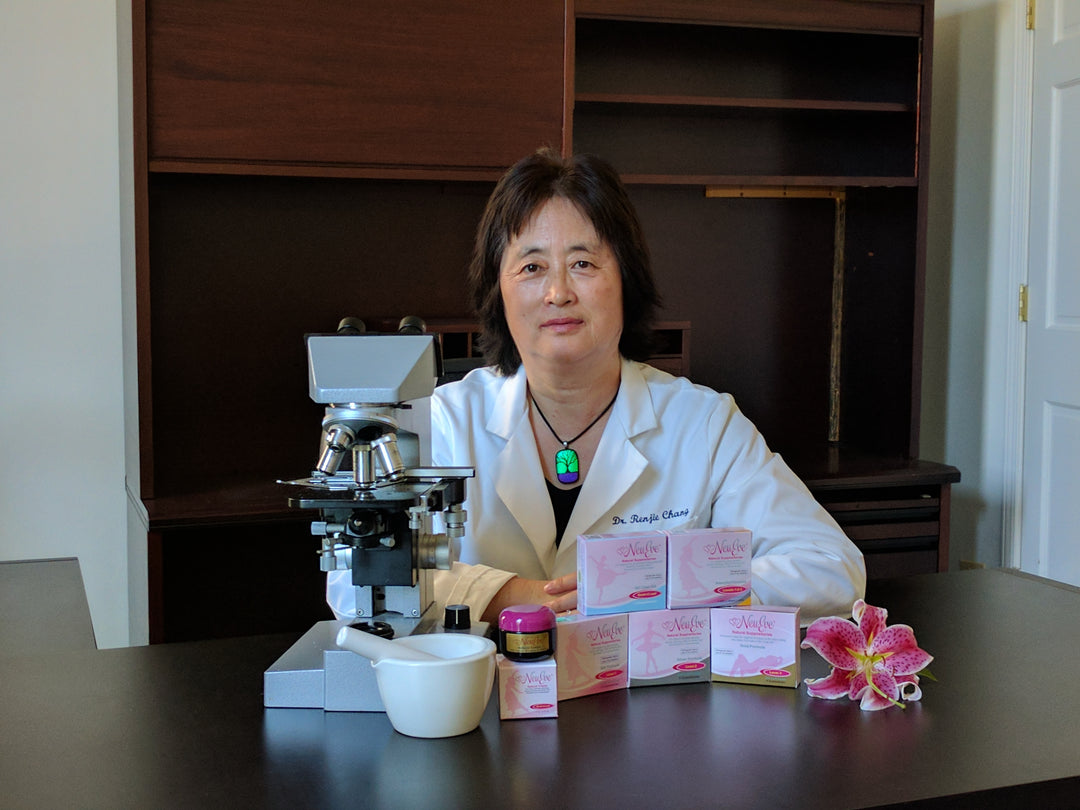
At NeuEve, we are working hard to increase awareness of CV so women with the condition can receive the proper diagnosis and treatment from the start.
What causes cytolytic vaginosis?
Activities, habits, and events that promote overgrowth of lactobacilli (specifically, L. crispatus, L. gasseri, L. jensenii, and L. iners) may lead to CV. Certain species of lactobacilli Here are some things that may contribute to this overgrowth:
-
Having atypically high estrogen levels
-
Using medications that contain estrogen
-
Overusing prebiotics such as lactulose that feed lactobacilli
-
Overusing probiotics that increase lactobacilli populations
-
Taking certain antifungal medications such as clotrimazole
-
Using certain antibiotic medications that kill the competitors of lactobacilli
Who is most likely to develop cytolytic vaginosis?
In general, people with high levels of vaginal estrogen may be more likely to develop CV. As you’ve learned, high estrogen levels create a glycogen-rich vaginal environment where lactobacilli can really thrive…and sometimes, they thrive too much.
Premenopausal women and teenage girls who’ve finished puberty generally have high levels of estrogen, which may explain why people in this age range (~15-45 years old) are more prone to CV.
Medical conditions and life events that increase overall estrogen levels may also predispose people to CV. Pregnancy is a great example: vaginal estrogen and glycogen levels increase during pregnancy, creating an ideal environment for overgrowth of lactobacilli.
Cytolytic vaginosis treatment options
Because cytolytic vaginosis occurs when your vagina has too many lactobacilli and is too acidic, effective treatments work by correcting this imbalance to restore optimal pH and bacteria levels. Cytolytic vaginosis treatment options include:
Baking soda sitz bath
Sitting in a baking soda solution (1-2 tablespoons of baking soda mixed with 4 cups of warm water) temporarily raises your vaginal pH. This is because baking soda is alkaline, the opposite of acidic. This pH change can reduce the number of lactobacilli and may help symptoms resolve temporarily.
However, baking soda treatments have many drawbacks:
-
A baking soda bath can eliminate too many lactobacilli, leaving you open to other vaginal infections. Don’t use this kind of sitz bath if you don’t have a CV diagnosis.
-
Additionally, baking soda will only temporarily change your vaginal pH: it’s not a long-term fix.
-
Overuse of baking soda treatments, including sitz baths, can cause burns and other vaginal conditions.
Vaginal suppositories
NeuEve CV Clear for cytolytic vaginosis is a long-term treatment option that works to reduce lactobacilli overgrowth. This hormone-free suppository helps balance your vaginal microbiome, reducing excess lactobacilli without harming the helpful bacteria that your vagina needs. This is a stark contrast to antibiotic medications that kill all vaginal bacteria, including the helpful ones.
CV Clear also buffers the increased acidity of CV: it basically “soaks up” excess acid in the vagina, which helps reduce painful burning sensations.
Avoid aggravating products

If you’re dealing with CV symptoms, avoid things that may further disrupt your vaginal microbiome, including strong probiotics and “pH-balancing” products, such as washes and soaps.
-
Stop taking probiotics: certain probiotic supplements may actually increase lactobacilli levels. When you have too many lactobacilli, this is counterproductive.
-
If you use hormones, talk to your prescribing provider about reducing your dose of estrogen. Estrogen increases the amount of glycogen in the vagina, and glycogen indirectly feeds lactobacilli. By reducing estrogen levels, you can “starve” lactobacilli of their preferred food (glycogen byproducts).
How to prevent cytolytic vaginosis recurrence
Learning about your vaginal microbiome and understanding why CV happens are important first steps to preventing future problems. Avoiding the aggravating habits we just discussed can help you maintain a healthy vaginal pH. Testing your microbiome can help you learn about your vaginal bacteria levels so you can adjust accordingly.
At NeuEve, we work with our customers to find the right treatment and maintenance plan for each person. Treating cytolytic vaginosis often requires an individualized approach tailored to your unique microbiome. For example, we recommend CV Clear for most cases of cytolytic vaginosis. However, some of our clients have a different form of CV that responds better to AV Clear. Contact our team today for help finding the right product for you.
Sources
Hacisalihoglu, U., & Acet, F. (2021). A clinicopathological diagnostic and therapeutic approach to cytolytic vaginosis: An extremely rare entity that may mimic vulvovaginal candidiasis. Journal of Cytology, 38(2), 88. https://doi.org/10.4103/joc.joc_169_20
Amabebe E, Anumba DOC. The Vaginal Microenvironment: The Physiologic Role of Lactobacilli. Front Med (Lausanne). 2018;5:181. Published 2018 Jun 13. doi:10.3389/fmed.2018.00181
Suresh, A., Rajesh, A., Bhat, R. M., & Rai, Y. (2009). Cytolytic vaginosis: A review. Indian Journal of Sexually Transmitted Diseases and AIDS, 30(1), 48–50. https://doi.org/10.4103/2589-0557.55490
Hu, Z., Zhou, W., Mu, L., Kuang, L., Su, M., & Jiang, Y. (2015). Identification of Cytolytic Vaginosis Versus Vulvovaginal Candidiasis. Journal of Lower Genital Tract Disease, 19(2), 152–155. https://doi.org/10.1097/lgt.0000000000000076
Ting C. Cytolytic vaginosis. DermNet. Reviewed January 2024. Accessed July 4, 2026. https://dermnetnz.org/topics/cytolytic-vaginosis
Kraut R, Carvallo FD, Golonka R, et al. Scoping review of cytolytic vaginosis literature. PLoS One. 2023;18(1):e0280954. Published 2023 Jan 26. doi:10.1371/journal.pone.0280954
Voytik, M., & Nyirjesy, P. (2020). Cytolytic Vaginosis: a Critical Appraisal of a Controversial Condition. Current Infectious Disease Reports, 22(10). https://doi.org/10.1007/s11908-020-00735-w
Collins SL, McMillan A, Seney S, et al. Promising Prebiotic Candidate Established by Evaluation of Lactitol, Lactulose, Raffinose, and Oligofructose for Maintenance of a Lactobacillus-Dominated Vaginal Microbiota. Appl Environ Microbiol. 2018;84(5):e02200-17. Published 2018 Feb 14. doi:10.1128/AEM.02200-17
Wang J, Pu X, Gu Z. Clotrimazole-induced shifts in vaginal bacteriome and lipid metabolism: insights into recovery mechanisms in vulvovaginal candidiasis. J Appl Microbiol. 2024;135(11):lxae269. doi:10.1093/jambio/lxae269
Sharara SL, Ghanem K, Brotman R, Robinson C, Ravel J, Tuddenham S. 2572. The Impact of Antibiotics on the Composition of the Vaginal Microbiota. Open Forum Infect Dis. 2019;6(Suppl 2):S893-S894. Published 2019 Oct 23. doi:10.1093/ofid/ofz360.2250



Leave a comment