


Labia Minora Changes During Menopause: Causes and Natural Options for Comfort
If you are going through perimenopause or menopause, you probably expect hot flashes and mood swings. There are other symptoms that might surprise you, though. For example, you might also notice changes in the inner “lips” around your vaginal opening. These are called the labia minora.
Thinning, dryness, and sensitivity of the labia can cause discomfort and sometimes come as a surprise. If you’re experiencing these changes, you don’t need to jump into panic mode: They are common among menopausal women, even if we don’t talk about them openly.

Changes in the labia minora during the menopause transition are part of a condition called the genitourinary syndrome of menopause (GSM).
Note: You may also have seen this condition called vaginal atrophy or vulvovaginal atrophy. GSM is now the more common umbrella term because it includes changes to the vagina, vulva, and urinary system.
If you’ve been searching “labia minora menopause” to make sense of these changes, you’re in the right place. Before we get into how your labia change during menopause, let’s explain the part of the body we’re actually talking about.
What are the labia minora?
Many people use the word “vagina” when they mean both the vulva and the vagina. These are actually different parts of the body. Knowing the difference can help you better understand your reproductive health.
-
Vulva: The external genital area. It includes the labia, clitoris, vaginal opening, and the glands that create natural lubrication.
-
Labia majora: The outer folds of skin.
-
Labia minora: The inner folds of skin just inside the labia majora. They help protect the vaginal opening and urethra (where urine leaves the body). The labia minora have nerve endings and blood vessels that help with sexual arousal.
-
Vagina: The muscular tube (vaginal canal) inside the body. It connects the vaginal opening with the cervix (the opening to the uterus).
What changes happen to the labia minora during and after menopause?
During and after menopause, the labia minora can:
-
Become thinner, drier, and less elastic. This can make them more prone to irritation.
-
Look paler than they used to because of reduced blood flow.
-
Become smaller or less full over time.
-
Fuse together (rarely): The labia minora may partially or completely fuse together. In severe cases, this can partly cover the vaginal opening.
These changes can happen during and after menopause when estrogen and other sex hormone levels decline.
You can also experience a decline in sex hormones at other times, even if you are not going through menopause. For example:
-
After pregnancy and while breastfeeding, your body may make less estrogen. This can cause changes to your labia minora.
-
If you take birth control pills, your body might make less of another sex hormone called androgen. This may also cause changes to your labia minora.
Remember, these changes are common and nothing to be ashamed of. However, you don’t have to just put up with them: read on to learn more about products that can help reduce discomfort from labia minora changes.
Are labia minora changes during menopause considered a normal part of aging?
While labia minora changes during the transition are common, they shouldn't be confused with normal (or something you have to live with). These changes may point to GSM, which can be managed. Your healthcare provider can examine you to confirm a GSM diagnosis or determine if something else is causing your labia minora to change.
Once you receive a diagnosis, NeuEve can support your recovery and relief. Our products use natural ingredients to target labia minora changes due to menopause. Here are a few success stories:
An anonymous US-based Neueve Silk user said: “I find the product very easy to use and have seen dramatic results in comfort and overall health of my vaginal tissues and labia. My symptoms have diminished drastically, particularly with sex being very manageable now and no feelings of dryness and no odor.”
Sheila shared: “When I found NeuEve, I was 5 years past my hysterectomy. My early menopause that resulted from that caused severe atrophy of the vagina and labia. The dryness and pain was so severe, I struggled with even walking without pain. Intercourse was out of the question. I found NeuEve and started with the Silk [suppositories] - now 3 years later, [I] am taking the Gold weekly treatment and am back to my youthful self. Intercourse is a joy and ZERO pain! Thank you, NeuEve!
Elda told us: Before using the Neueve products, I was suffering for 2 years with dryness, itching and inflammation…My doctor diagnosed me with severe atrophy… By using Neueve Silk vaginal Moisturizer, the Salve for severe dryness, and taking capsules of Feminine Moisture Support softgels, I finally found relief and I am very thankful...”
It’s important to note that not all vulvar changes are caused by menopause. See a healthcare professional if you notice new sores, lumps, unusual changes in skin color, or persistent itching, burning, or pain. Your provider can confirm what’s happening and help you find the right path to treatment.
Why does estrogen loss affect the appearance and feel of the labia minora?
Estrogen helps keep your labia minora tissue healthy, moist, and flexible. When estrogen levels decrease, these tissues can become thinner, drier, and less elastic.
Lower estrogen levels can also reduce blood flow and collagen production, both of which your labia need to stay strong and flexible. Over time, these changes can affect the size and fullness of your labia minora.
You may also notice similar changes elsewhere. For example, your labia majora, clitoris, vaginal opening, and vagina may also change when estrogen decreases.
These vaginal changes can affect your vaginal microbiome, too. With less estrogen, populations of protective bacteria can decline. This can lead to an increased risk of urinary tract infections. If you’ve noticed more frequent infections since menopause, this shift may be part of the reason.
What symptoms are associated with labia minora changes during menopause?
Common symptoms associated with labia minora changes during the menopause transition include:
-
Thinning or flattening
-
Dryness and reduced vaginal lubrication
-
Burning, itching, or stinging
-
Tenderness or irritation
-
Pain or discomfort during sex
-
Shrinking or decreased fullness
Keep in mind that itching or irritation can also come from a vaginal infection. Yeast infections and bacterial vaginosis are two common examples. This is why it’s important to share new symptoms with your provider before starting new treatments.
What natural and hormone-free options can help ease vaginal dryness and restore vulvar comfort?
Vulvar and vaginal moisturizers are some examples of nonhormonal options for intimate comfort and tissue health.
Vaginal moisturizers can help hydrate and strengthen the vaginal tissues. These products go inside the vagina: you insert them as a cream, gel, or suppository.
Vulvar moisturizers go on the outside, directly on the skin of the vulva, supporting the external vulvar tissue. Many people find that using both vaginal and vulvar moisturizers helps them address all their symptoms at once.

At NeuEve, we offer hormone-free Vaginal Dryness Treatment Kits to help nourish the tissues of the vulva and vagina. These kits include suppositories and supplements to nourish the vagina from the inside. They also include our Salve products: you apply these directly to your labia like a lotion. Salves work to nourish the vulva from the outside in.
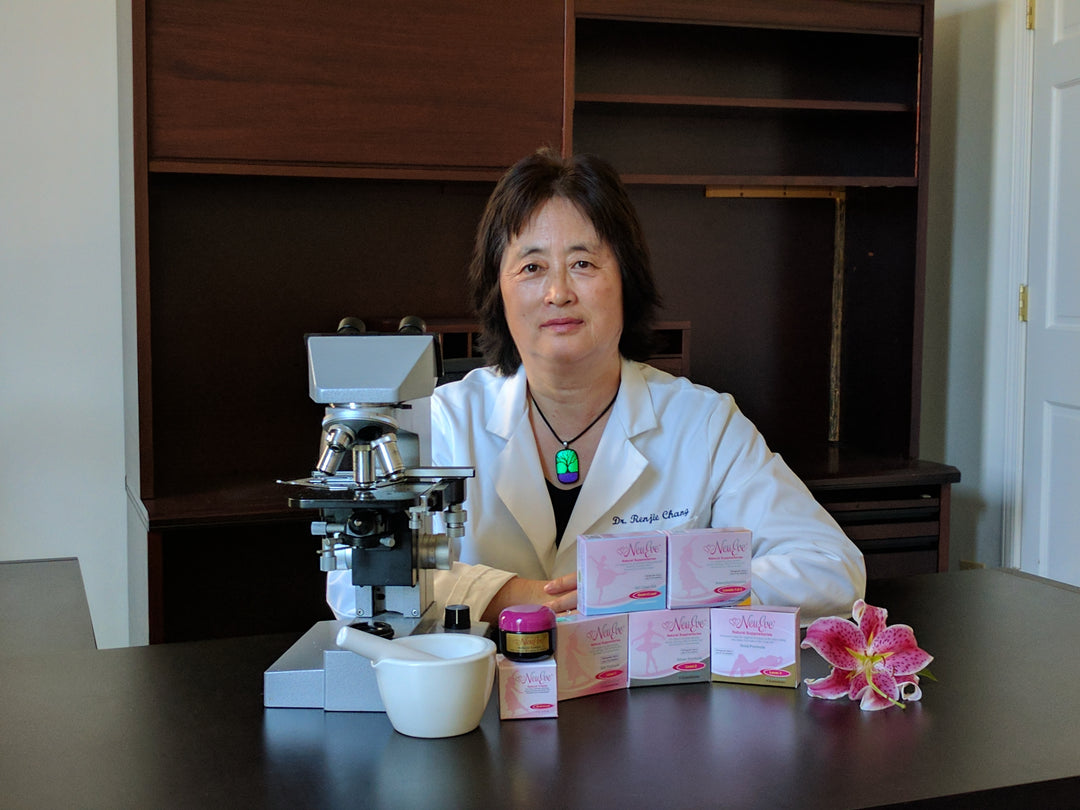
Our co-founder, Dr. Renjie Chang, developed the salves to directly nourish vulvar tissues and ease painful sex during and after the menopausal transition.
-
If you're under 70 years of age, try NeuEve Salve.
-
If you are over 70 years of age, try NeuEve Salve-Gentle.
Why are nonhormonal approaches important for vulvar health after menopause?
Low-dose vaginal estrogen therapy is a common prescription treatment for GSM, but it may not be appropriate for everyone. For example, nonhormonal approaches are first-line treatments for women during or after breast-cancer treatment.
Pelvic floor exercises can complement your vulvar care routine. Training your pelvic floor muscles can improve muscle tone and circulation, which can support your vulvar health. However, exercises alone won’t heal dry tissues. Combine exercises with moisturizers for the best effect.
The bottom line on your vulvar health
You don’t have to “just live with” uncomfortable changes in your labia minora. These changes are common during and after the menopause transition, but you don’t have to suffer with them in silence.
With support from your provider and NeuEve’s hormone-free products, you can ease discomfort and support your well-being. To learn more about how NeuEve helps relieve vaginal tissue changes without hormones, click here.
Sources Cited
-
Danan ER, Sowerby C, Ullman KE, et al. Hormonal treatments and vaginal moisturizers for genitourinary syndrome of menopause: a systematic review. Ann Intern Med. 2024;177(10). doi:10.7326/ANNALS-24-00610
-
Salamon M. A new name for vaginal atrophy: genitourinary syndrome of menopause. Harvard Health Publishing. November 19, 2025. Accessed October 30, 2026. https://www.health.harvard.edu/womens-health/a-new-name-for-vaginal-atrophy-genitourinary-syndrome-of-menopause
-
American College of Obstetricians and Gynecologists. Disorders of the vulva: common causes of vulvar pain, burning, and itching. Accessed October 30, 2026. https://www.acog.org/womens-health/faqs/disorders-of-the-vulva-common-causes-of-vulvar-pain-burning-and-itching
-
American College of Obstetricians and Gynecologists. Vulvovaginal health. Accessed October 30, 2026. https://www.acog.org/womens-health/faqs/vulvovaginal-health
-
Nguyen JD, Fakoya AO, Duong H. Anatomy, Abdomen and Pelvis: Female External Genitalia. [Updated 2025 Feb 15]. In: StatPearls [Internet]. Treasure Island (FL): StatPearls Publishing; 2025 Jan-. Available from: https://www.ncbi.nlm.nih.gov/books/NBK547703/
-
Angelou K, Grigoriadis T, Diakosavvas M, et al. (April 08, 2020) The Genitourinary Syndrome of Menopause: An Overview of the Recent Data. Cureus 12(4): e7586. doi:10.7759/cureus.7586
-
Nappi RE, Martini E, Cucinella L, et al. Addressing Vulvovaginal Atrophy (VVA)/Genitourinary Syndrome of Menopause (GSM) for Healthy Aging in Women. Front Endocrinol (Lausanne). 2019;10:561. Published 2019 Aug 21. doi:10.3389/fendo.2019.00561
-
Mahmoudnejad N, Hamidi Madani M, Roohinezhad R. The Labial Adhesion in Postmenopausal Women: A Systematic Review. Iran J Med Sci. 2024;49(12):752-760. Published 2024 Dec 1. doi:10.30476/ijms.2024.101283.3395
-
Waheed A, Taithongchai A, Robinson D. The use of topical vaginal estrogens in postpartum women: a systematic review. Acta Obstet Gynecol Scand. 2026. doi:10.1111/aogs.70241
-
McMahon LN, Handy AB, Jones AG, Mijares SA, Noon AE, Meston CM. The effect of oral contraceptive pill type on vulvovaginal atrophy. J Sex Med. 2023;20(suppl 2):qdad061.096. doi:10.1093/jsxmed/qdad061.096
-
Carlson K, Vadakekut ES. Genitourinary syndrome of menopause. In: StatPearls. StatPearls Publishing; 2026. Updated June 17, 2026. Accessed November 10, 2026. https://www.ncbi.nlm.nih.gov/books/NBK559297/
-
Benini V, Ruffolo AF, Casiraghi A, et al. New Innovations for the Treatment of Vulvovaginal Atrophy: An Up-to-Date Review. Medicina (Kaunas). 2022;58(6):770. Published 2022 Jun 6. doi:10.3390/medicina58060770
-
Febrina F, Triyoga IF, White M, Marino JL, Peate M. Efficacy of interventions to manage sexual dysfunction in women with cancer: a systematic review. Menopause. 2022;29(5):609-626. Published 2022 May 1. doi:10.1097/GME.0000000000001953
-
Qu H, Zhang R, He S, Lin S, Lu Y, Chen Y. The effect of pelvic muscle relaxation training on the rehabilitation of patients with increased pelvic floor muscle tone: a randomized controlled trial. Sci Rep. 2026;16(1):35737. doi:10.1038/s41598-026-69552-w


Leave a comment