



BV Treatment Costs: What to Expect Before You Pay
When symptoms like odor, discharge, or irritation show up, a surprise medical bill is the last thing you need on top of it. Costs for bacterial vaginosis (BV) care can vary widely, and the type of care you choose usually makes the biggest difference of all, often more than the prescription itself.
Most BV costs fall into three buckets: the visit, any lab testing, and the medication. This guide walks you through what to expect at each step, where hidden charges tend to show up, and how to spend less while still getting appropriate care.
Typical Costs for BV Diagnosis
A BV diagnosis usually involves two separate costs: the visit itself and any testing ordered along the way. Where care happens often affects the final bill more than the medication does.
Before booking anything, one question can prevent a surprise later: what is the self-pay price, and does it include testing, or just the exam?
For many people, the diagnostic visit ends up costing more than the medication that follows, especially when urgent care or the emergency room gets used for symptoms that aren't true emergencies.
Visit Costs
If symptoms are typical and nothing feels alarming, telehealth tends to be your most predictable option. Flat-fee virtual visits are commonly priced around $39 to $99.
In-person visits vary more. Urgent care for a routine BV-type visit commonly falls between $80 and $280 for straightforward care, and up to $440 when a higher level of service is involved.
Emergency rooms are usually the most expensive setting for non-emergency symptoms. Uninsured patients report average charges around $1,749 for a typical ER visit, climbing toward $2,285 for adults ages 45 to 64.
That said, some symptoms call for in-person care regardless of cost. Severe pelvic pain, fever, vomiting, unusual bleeding, or any concerning symptoms during pregnancy are reasons to be seen promptly. In those situations, safety outweighs saving money.
Lab Testing and Screening Costs
Testing can add meaningfully to the total. Basic in-office tests, such as vaginal pH testing or microscopy, are generally less expensive than sending samples to a laboratory. A dedicated vaginitis lab panel typically costs around $260 or more, plus any associated service fees.
Broader screening adds up faster. Multi-condition STI panels commonly run $125 to $400 depending on the provider and how many infections are included. Testing is sometimes genuinely necessary, especially since BV symptoms can overlap with yeast infections, trichomoniasis, or other conditions.
It's still reasonable to ask which tests are needed based on symptoms and which are optional, so the bill matches the actual care received.
Common BV Treatment Options and Their Costs
BV treatment costs can range from a few dollars for a generic prescription to close to $350 for a single-dose brand-name option.
Prescription Antibiotic Costs
Metronidazole vaginal gel typically costs from $25 to $28 for a full course, and some people prefer it because it's applied locally rather than taken by mouth. Clindamycin vaginal cream tends to run somewhere between $25 and $45, and it's often recommended for those who can't tolerate metronidazole.
Solosec (secnidazole) is a single-dose option that trades convenience for a higher price at nearly $350.
Over-the-Counter and Supportive Care Costs
OTC products cost less than a clinic visit, but they serve a different role. They can support comfort, moisture, odor, or vaginal balance, but they aren't a substitute for treating a confirmed infection.
Common supportive products include pH-balancing gels and boric acid suppositories. Widely available vaginal pH gels, for example, list for around $15 to $30 at major retailers, while boric acid suppositories are generally priced under $30 per box.
Before buying any OTC product, it helps to look past the sticker price and consider cost per use, ingredient transparency, whether fragrance or other potential irritants are included, and whether the product is meant for short-term comfort or longer-term support.
Why Antibiotics and Boric Acid Often Don't Deliver Lasting Relief
If you've treated BV before and watched it come right back, please know you're not imagining it, and you're far from alone. Prescription antibiotics can clear an active episode, but the research on what happens afterward tells a more complicated story.
Fifty to eighty percent of women experience a BV recurrence within six to twelve months of finishing antibiotic treatment. If that's been your experience, the cycle isn't a reflection of anything you're doing wrong.
Part of the reason comes down to how antibiotics work inside your body. They clear out harmful bacteria, but they don't selectively spare the protective Lactobacilli that keep your vaginal environment balanced. Your vaginal microbiome is often recolonized afterward by a less protective Lactobacillus species (i.e., Lactobacillus iners ) rather than the more beneficial ones, which can leave the door open for symptoms to return.
If boric acid is something you've considered, it's also worth knowing what you'd be taking on. It isn't recommended as a first-line treatment, and it can be dangerous if swallowed because boric acid is toxic when ingested.
If you're one of the many women who experience BV again and again, treating each episode the same way tends to bring you right back to the same result: short-term relief, followed by another cycle.
How NeuEve Works Differently
NeuEve isn't a drug or antibiotic. It doesn't work by killing bacteria. Instead, it works by changing the vaginal environment itself.
Think of it like restoring soil quality in a garden. You could pull out weeds one by one, but if the soil remains depleted and imbalanced, those weeds will keep coming back. The more sustainable approach is to enrich the soil with the right nutrients and restore the pH balance so that beneficial plants can establish strong roots and naturally crowd out the weeds. That's what creates lasting change.
NeuEve works the same way. It provides nutrients and compounds that help restore the vaginal environment to the conditions where beneficial Lactobacilli naturally flourish.
When that environment is restored, it becomes naturally less hospitable to BV-associated bacteria, not because anything killed them, but because the conditions no longer favor their overgrowth. Your body's own protective mechanisms take over from there.
This is why addressing the root cause, the environmental imbalance, often offers more lasting relief than treating symptoms repeatedly. You're not just clearing out what shouldn't be there. You're rebuilding what should.
 |
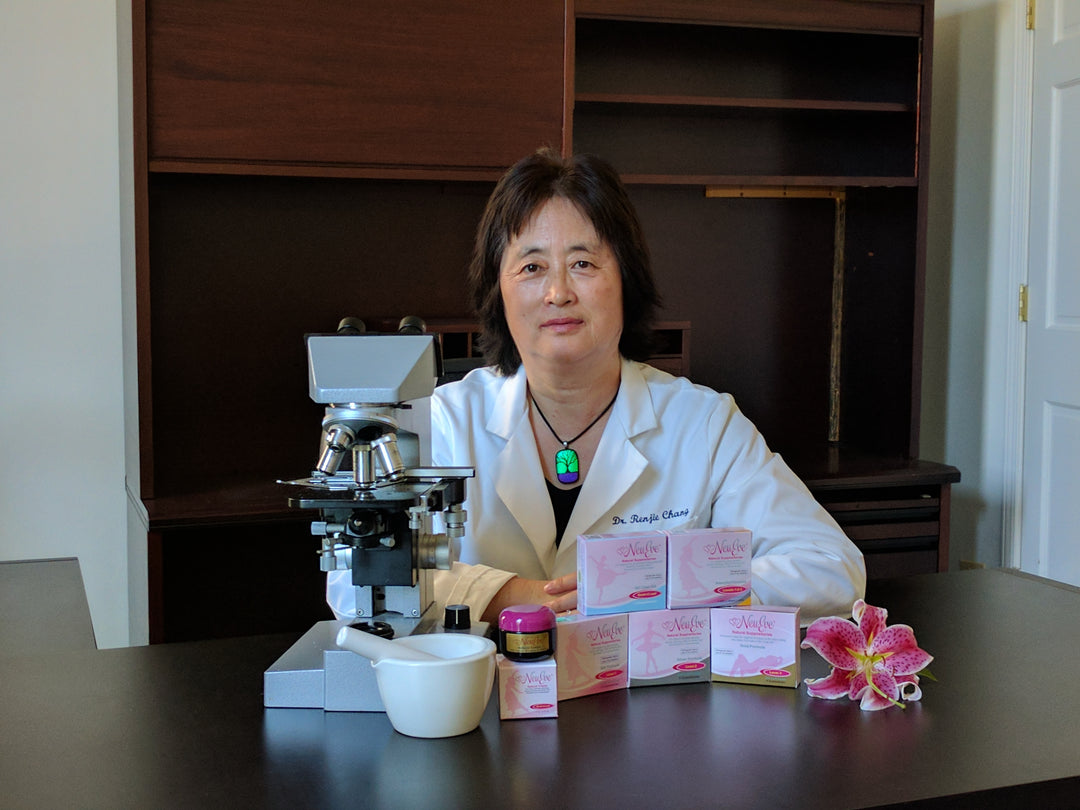
BV Clear provides natural, non-antibiotic relief from BV symptoms like fishy odor and abnormal discharge. Developed by an OB-GYN, this suppository uses food-grade nutrients to support the body’s own healthy flora without harsh chemicals. |
The Real Cost of the BV Cycle Versus NeuEve Treatment
Recurrence doesn't just prolong the frustration; it can also increase the overall cost of care. If you treat a single episode with telehealth and generic metronidazole, you might save. But with the high chance of recurrence, you may not end up paying that cost just once.
You could be paying it two, three, or more times over twelve months, sometimes with an added lab panel if the cause needs confirming again.
Here is what that can look like side by side:
|
Scenario |
Approximate Cost |
|
One BV episode treated with telehealth and metronidazole gel |
$65 to $130 |
|
Two episodes in a year, reflecting typical antibiotic recurrence rates |
$130 to $260 |
|
Three episodes plus one repeat lab panel to confirm the cause |
$455 to $650 |
|
NeuEve BV Treatment Kits |
$57.4 to $174.3 |
A single, uncomplicated BV episode might cost you less to treat with a short antibiotic course than with a NeuEve BV Treatment Kit. But if you're one of the many women dealing with recurring BV, the annual math changes.
How do I know if my BV is cleared?
Three signs are worth checking: the fishy odor should be gone, discharge should return to a normal amount (a bit of white discharge right after a suppository is expected and typically clears within about three days), and vaginal pH should settle at or below 4.5, tested with pH paper at least three days after your last suppository.
If you're doing lab or microbiome testing, waiting at least a week, or ideally until after a full maintenance period, gives the most accurate reading. See NeuEve's full guide on knowing when your BV is cleared for more detail on timing and testing.
Do you have any studies supporting that NeuEve works for treating bacterial vaginosis?
Yes. In an internal NeuEve study of women with bacterial vaginosis, NeuEve BV Clear reduced severe vaginal odor by 67%, with nearly half of the participants achieving complete odor elimination compared to just 13% before treatment. Read the NeuEve BV Clear evaluation study for the complete methodology and results.
Are NeuEve products safe to use during pregnancy or while trying to conceive?
If you're trying to conceive, yes. NeuEve doesn't interfere with any medications or with conception itself, and clearing BV beforehand is worth doing, since untreated BV carries its own pregnancy-related risks.
If you're already pregnant, NeuEve isn't recommended, since its food-grade ingredients haven't been specifically safety-tested during pregnancy, and in-person care from your OB/GYN is the better path in that situation.
After using NeuEve, how long does it take to see results?
It depends on what you're using it for. For infections like BV or AV, relief from odor, itching, burning, and discharge can show up anywhere from a few minutes to a few days, depending on severity.
For vaginal atrophy and related dryness, timelines run longer and tend to track how long the condition has been present, so consistent use over several weeks is typical rather than an overnight change.
Hidden or Unexpected Costs to Consider
The price quoted upfront isn't always the full cost of BV care. When the priority is getting relief quickly, it's easy to overlook the extras that add up:
- Visit-related expenses: Transportation, parking, childcare during appointments, and missed work or lost income
- Separate lab fees: Testing charges that aren't always included in the initial visit cost
- Prescription pickup: Copays, pharmacy fees, or time spent picking up medication
- Follow-up visits: If symptoms don't fully resolve after the first treatment, or if side effects require switching medications
- In-between purchases: Over-the-counter products you try while waiting for an appointment, pH balancing gels or wipes purchased out of desperation, or underwear and bedding replacements
Repeat symptoms can make BV far more expensive over time. What starts as a single episode can turn into multiple appointments, repeated testing, and several rounds of prescriptions across a year.
Because BV symptoms often overlap with yeast infections, trichomoniasis, and other conditions, providers may order additional labs when the cause isn't immediately clear. That testing can be medically appropriate, but it may push your out-of-pocket total well beyond the initial estimate.
If you have insurance but haven't met your deductible yet, you may still be covering most or all of the cost yourself. And if your plan requires referrals or prior authorizations for certain tests or specialists, delays can mean living with symptoms longer while the paperwork goes through.
These smaller, scattered costs don't always feel significant at the moment. But when BV recurs, they accumulate quickly, turning what seemed like a one-time inconvenience into an ongoing financial and logistical burden.
Choose Relief That Lasts
BV treatment doesn't have to mean choosing between affordability and short-term relief or long-term peace of mind. The real question isn't just what treatment costs upfront, but whether it actually breaks the cycle or just pauses it.
If you've been through the routine before, you already know that the cheapest option per episode isn't always the most cost-effective over time. And what you're really looking for isn't just another prescription. It's an actual solution.
NeuEve offers something different: a science-backed approach that works with your body's natural protective systems, not against them. By restoring the vaginal environment where beneficial bacteria thrive, rather than just killing what's causing today's symptoms, NeuEve addresses the root cause that keeps bringing BV back.
You deserve relief that doesn't just quiet symptoms temporarily, but supports your body in rebuilding the balance. You deserve to stop paying for the same problem over and over again.



Leave a comment