



How to Stop Recurring BV Permanently
Bacterial vaginosis (BV) is a common and persistent vaginal imbalance that can cause some uncomfortable symptoms. You may deal with BV once, twice, or too many times to count…leaving you wondering how to stop recurring BV permanently.
There’s no guaranteed way to get rid of BV for good. However, understanding what triggers your BV symptoms and working to restore a healthy vaginal microbiome can help reduce your risk of future episodes.
In this guide, we'll explain why BV recurs, how vaginal pH and hormones influence recurrence, and which treatments and daily habits may help break the cycle.
Why does bacterial vaginosis keep coming back after treatment?
BV often comes back because antibiotic treatments kill the good, BV-fighting bacteria along with the bad, BV-causing bacteria. Antibiotics can’t tell the difference between these bacteria. While antibiotics can eliminate BV, they can also leave your vagina defenseless against infections such as STIs and yeast.
BV-causing bacteria can also clump together and encase themselves in a protective layer, known as a biofilm. Biofilms are harder to get rid of, even when treated with antibiotics such as oral metronidazole and clindamycin.
Before we continue, here are a few helpful vaginal bacteria definitions:
-
Microbiome: Your vaginal microbiome is the ecosystem inside your vagina made up of bacteria and other microorganisms. Keeping your vaginal microbiome balanced is key to vaginal health.
-
Lactobacilli: The “good” bacteria that dominate a healthy vaginal microbiome.
-
Anaerobic bacteria: While natural and always present in your vagina, this type of bacteria causes BV and infections when they overgrow.
-
Gardnerella: A type of anaerobic bacteria, Gardnerella is the main cause of BV.
What actually causes recurring BV?
BV often recurs when your vagina doesn’t have enough lactobacilli to fight off anaerobic bacteria. This means your vaginal microbiome is imbalanced. Without a solid foundation of lactobacilli, harmful bacteria can grow and flourish.
A healthy, balanced vaginal microbiome keeps BV from recurring through the following process:
-
Step 1: Glycogen production. High levels of estrogen cause glycogen, a type of sugar, to build up in the cells of your vaginal walls. These cells are called epithelial cells.
-
Step 2: Exfoliation. Estrogen in your system causes your vagina to shed epithelial cells. This exfoliation releases the stored glycogen.
-
Step 3: Lactobacilli flourish. Lactobacilli feed off the glycogen from exfoliated epithelial cells. Healthy lactobacilli produce lactic acid.
-
Step 4: Vaginal balance. Lactic acid from lactobacilli keeps your vaginal pH properly acidic. This acidity prevents anaerobic bacteria from overgrowing and causing BV.
Menopause, douching, sex, and plenty more can interfere with this process and leave you vulnerable to recurrence. BV symptoms can return over and over until your vaginal microbiome is balanced with a healthy amount of lactobacilli.
How does vaginal pH imbalance contribute to chronic BV?
If your vaginal pH is too high (i.e., not acidic enough), it means you don’t have enough lactobacilli. Without lactobacilli, BV can come back and become chronic.
A healthy vagina is acidic, with a pH between 3.5 and 4.5. When vaginal pH rises above this normal range, bacteria such as Gardnerella can multiply more easily (this is called bacterial overgrowth). Unusual vaginal discharge, itching, fishy odor, and burning are all symptoms of vaginal pH imbalance.
Factors that can raise your vaginal pH and make BV recurrence more likely include:
-
Sex: Semen and saliva from sex partners are alkaline (the opposite of acidic). Having sex, especially unprotected sex, can increase your vaginal pH and trigger BV symptoms.
-
Menstruation: Blood is also alkaline. If you menstruate, you may notice your symptoms come back after your period.
-
Hormonal change: Periods of low estrogen impact all four steps of the healthy vaginal microbiome process discussed above. If you’re postmenopausal or postpartum, or if you’ve had certain cancer treatments, your estrogen levels may be lower. This can raise your vaginal pH.
Can menopause increase the risk of recurring bacterial vaginosis?
Yes. Low estrogen levels during perimenopause and menopause can make recurring BV more common. Estrogen affects both vaginal pH and vaginal tissues.
Without estrogen, your vaginal tissue becomes thinner and has fewer epithelial cells to shed. This means the cells store and release less glycogen, and lactobacilli levels decrease. Low levels of lactobacilli raise your vaginal pH and make it easier for BV to come back.
For peri- and postmenopausal women, supporting vaginal moisture, tissue health, and a healthy pH can help break the cycle of recurrent bacterial vaginosis.
How to stop recurring BV permanently
Balancing your vaginal microbiome is essential to getting rid of recurring BV. This means restoring your lactobacilli levels, maintaining a healthy vaginal pH, and supporting your vaginal tissue health.
Simple daily habits and naturally powerful vaginal supplements can help keep harmful, anaerobic bacteria from coming back. They’ll also help support your vaginal health for years to come.
What daily habits may help prevent recurrent BV?
No single habit can guarantee you'll never get BV again. However, these lifestyle changes can help restore healthier vaginal microbiota. This may reduce your risk of recurring BV.
Daily habits that support vaginal balance include:
-
Never douching: Your vagina is self-cleaning. Douching is just unnecessary: it’s unhealthy. It actively increases your risk of BV by reducing lactobacilli and disrupting your vaginal microbiome.
-
Use barrier contraception: Using condoms or other barrier contraception during sex can prevent foreign bacteria from entering your vagina. It may also keep alkaline semen from raising your vaginal pH.
-
Keep in mind that BV itself is not a sexually transmitted infection. Condoms simply protect against a known chemical trigger of BV.
-
Eat fermented foods: Eating probiotic-rich, fermented foods, such as yogurt and kimchi, can help support the good bacteria in your gut. The microbiomes of your gut and vagina actually communicate, so supporting one may help the other.
-
Limit sugar and alcohol consumption: Sugar-heavy diets can disrupt your vaginal balance and increase your risk of BV.
-
Wear cotton underwear: Opting for breathable cotton underwear and not wearing thongs can help keep bacteria from entering your vagina.
-
Manage vaginal dryness: If you're experiencing vaginal dryness due to the menopause transition or other reasons, don’t ignore it. Treating vaginal dryness can help support the health of your vaginal tissues and microbiome.

What natural, non-pharmaceutical options may help restore vaginal balance?
Natural, non-pharmaceutical approaches focus on restoring a healthy vaginal environment, not just eliminating harmful bacteria. This matters because treating BV is not the same as preventing it from returning.
The following options may support vaginal pH, tissue health, and microbiome balance over time while also helping relieve symptoms.
-
Probiotics: High-quality probiotics can restore beneficial bacteria and help lower your vaginal pH. This helps keep anaerobic bacteria from moving in and causing BV.
-
Feminine moisture support: Vaginal dryness and BV often coexist, since both occur when estrogen levels are low. Keeping your vaginal tissue healthy, plump, and moisturized can help stop bad bacteria from overgrowing. Restoring vaginal moisture with sea buckthorn oil supplements, vaginal moisturizers, and proven suppositories can help nourish your vaginal tissue, especially if you’re peri- or postmenopausal.
-
Biofilm breakers: N-acetylcysteine (NAC) and berberine are supplements that work to prevent bacterial biofilms and break down the biofilms that exist. Without the protection of its biofilm, BV becomes less stubborn and persistent.
-
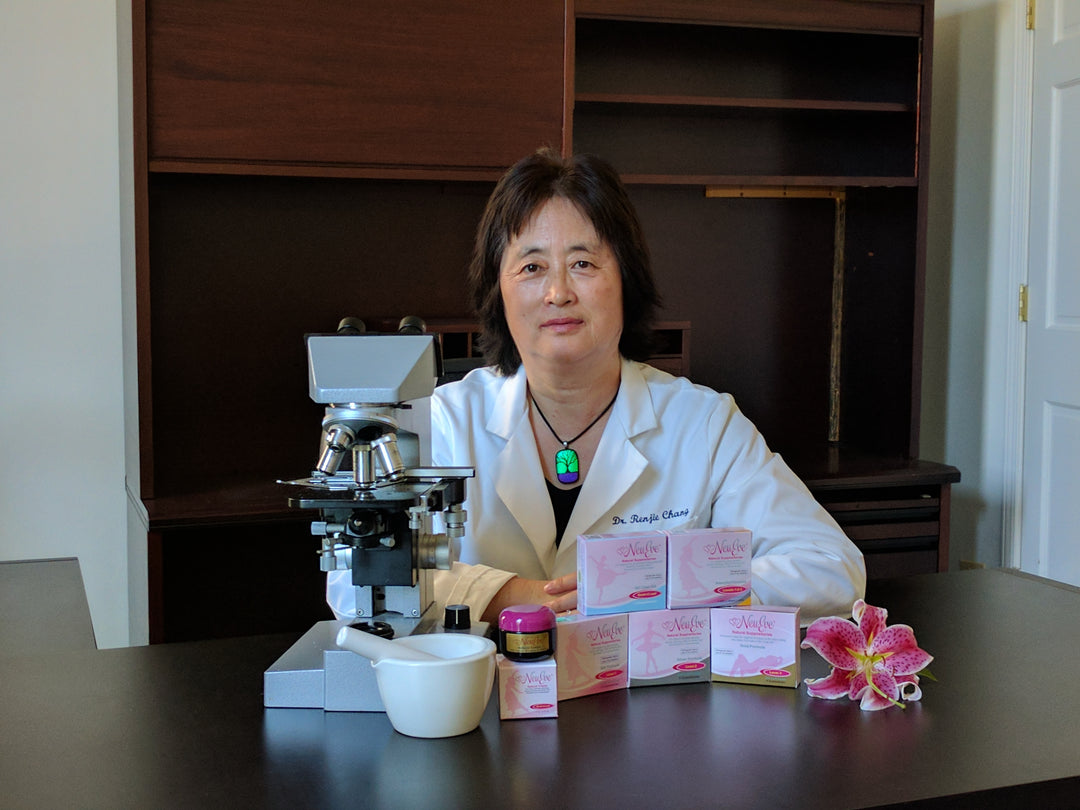
Vaginal pH support: Using NeuEve’s effective, OBGYN-developed natural BV treatment after triggering events, such as sex or your period, can support your vagina’s acidity and keep BV from returning.
While antibiotics can kill the bacteria that cause BV, they don’t restore the bacterial balance and pH your vagina needs to stay healthy and infection-free. Lactobacilli disappear with antibiotic treatment, leaving space for bad bacteria to return.
Your health care provider will likely recommend antibiotics as the initial treatment for active BV. However, supporting your vagina’s natural “immune system” is key to supporting your long-term vaginal health and stopping bacterial vaginosis from coming back.
Sources
Muzny, C. A., & Schwebke, J. R. (2015). Biofilms: An Underappreciated Mechanism of Treatment Failure and Recurrence in Vaginal Infections: Table 1. 61(4), 601–606. https://doi.org/10.1093/cid/civ353
Carlson, K., & Garg, M. (2025). Bacterial Vaginosis. In Nih.gov. StatPearls Publishing. https://www.ncbi.nlm.nih.gov/books/NBK459216/
Łaniewski, P., & Herbst-Kralovetz, M. M. (2022). Connecting microbiome and menopause for healthy ageing. Nature Microbiology, 7(3), 354–358. https://doi.org/10.1038/s41564-022-01071-6
Abbe, C., & Mitchell, C. M. (2023). Bacterial vaginosis: a review of approaches to treatment and prevention. Frontiers in Reproductive Health, 5(1). https://doi.org/10.3389/frph.2023.1100029
Oliveira, N. S. de, Lima, A. B. F. de, Brito, J. C. R. de, Sarmento, A. C. A., Gonçalves, A. K. S., & Eleutério, J. (2022). Postmenopausal Vaginal Microbiome and Microbiota. Frontiers in Reproductive Health, 3. https://doi.org/10.3389/frph.2021.780931
Aslı Akpınar, Markiewicz, L. H., Hayriye Şebnem Harsa, Paveljšek, D., Domínguez-Soberanes, J., Zeynep Agirbasli, Naziri, E., Halim, M., Bouchaud, G., Salminen, S., Savary-Auzeloux, I., Christèle Humblot, Christophe Chassard, Smilja Pracer, Vergères, G., & Barçın Karakaş-Budak. (2025). Efficacy of fermented foods for the prevention and treatment of bacterial vaginosis and vulvovaginal candidiasis. Frontiers in Nutrition, 12, 1658988–1658988. https://doi.org/10.3389/fnut.2025.1658988
Dinicola, S., De Grazia, S., Carlomagno, G., & Pintucci, J. P. (2014). N-acetylcysteine as powerful molecule to destroy bacterial biofilms. A systematic review. European Review for Medical and Pharmacological Sciences, 18(19), 2942–2948. https://pubmed.ncbi.nlm.nih.gov/25339490/


This was so simply put and informative. Thank you!
Leave a comment