



Is It Normal to Have White Discharge Everyday?
Yes, noticing white vaginal discharge every day is often normal. Your body produces this discharge as a natural way to self-clean and maintain a healthy pH balance, so in most cases, it’s a sign that your body is doing what it’s supposed to do.
Even so, it’s natural to look down at your underwear and wonder if something is off. You might notice changes in consistency throughout your cycle, even without itching or discomfort. While this is usually nothing to worry about, paying attention to patterns that feel unusual for you can help you stay in tune with your body.
Vaginal discharge is a healthy and essential part of your reproductive system, and understanding it can give you confidence in your body’s natural rhythms. Daily discharge is like a daily weather report: small changes are normal, but sudden “storm signals” (fishy odor, clumps, green/yellow color, burning/itching) mean it’s time to check what’s going on.
In this guide, I’ll walk you through what counts as normal daily discharge, when white fluid might indicate an imbalance, and how you can care for your vaginal ecosystem using both conventional and natural methods.
Understanding Normal Vaginal Discharge
To determine if daily discharge is a cause for concern, we first need to establish a healthy baseline. A normal vaginal discharge is the body's way of cleaning and protecting itself. It is produced by glands inside the vagina and cervix to carry away dead cells and bacteria.
Healthy vaginal discharge can vary widely from person to person, but it generally falls within specific parameters regarding color, consistency, and volume.
It is perfectly normal for discharge to change throughout your menstrual cycle. Keeping track of these vaginal discharge changes can help you identify your personal norm.
Healthy Characteristics of Vaginal Discharge
- Color: Ranges from clear to milky white or off-white, representing the healthy vaginal discharge
- Consistency: Can vary from thin and watery to thick, sticky, or elastic (like raw egg whites). The thickness of your discharge naturally fluctuates.
- Odor: Should be mild, musky, or non-existent, never foul or fishy. Odorless vaginal discharge is typical of a balanced vaginal environment.
- Volume: The average daily amount is less than 1 teaspoon of vaginal discharge, though this fluctuates.
- pH Level: A healthy vaginal environment is moderately acidic, typically between 3.8 and 4.5 pH.
3 Physiologic Reasons You Might See White Discharge Daily
Noticing white vaginal discharge daily usually indicates that your body is functioning normally. There are several physiologic (natural and non-disease-related) reasons for persistent white fluid. These are your body’s healthy signals functioning in real-time.
Arousal and Lubrication
Sexual arousal triggers the Bartholin's glands and Skene's glands to produce extra fluid to reduce friction. This can result in an increase in clear or milky white discharge. It may linger daily depending on sexual activity and hormonal fluctuations.
Ovulation and Cycle Changes
Estrogen levels surge right before ovulation, which is the release of an egg. During this mid-cycle window, discharge is often abundant, slippery, and appears as clear-to-white mucus, with a texture resembling raw egg whites. This consistency is designed to help sperm travel to the egg.
Early-Pregnancy Leukorrhea
Hormonal shifts during early pregnancy often lead to an increase in discharge. This "leukorrhea of pregnancy" is typically thin, white, and milky with a mild smell. It protects the birth canal from infection and maintains a healthy bacterial balance.
While some daily discharge is normal, persistent changes in color or texture can signal an imbalance in your vaginal microbiome.
When White Vaginal Discharge Can Signal a Problem
While daily discharge is often normal, changes in its character can indicate "vaginitis", an umbrella term for inflammation or infection of the vagina. It is estimated that up to 75% of women will experience at least one vaginal infection in their lifetime. Distinguishing between physiologic discharge and pathologic (illness-related) discharge is crucial for timely treatment.
Recognizing signs of abnormal vaginal discharge is key to identifying the appropriate treatment or remedy needed.
Bacterial Vaginosis (BV)
Bacterial vaginosis (BV) is the most common vaginal condition in girls and women over 50. It occurs when there is an overgrowth of certain bacteria, upsetting the natural pH balance. Discharge is often thin and white or gray, accompanied by a foul smell and fishy odor.
Yeast Infection (Candidiasis)
Caused by an overgrowth of the fungus Candida, a yeast infection produces a very distinct discharge. It typically includes a thick white discharge, often described as looking like cottage cheese. The fungus Candida albicans is responsible for most cases. It is usually odorless but is accompanied by intense vaginal itching, redness, and a burning sensation.
Trichomoniasis
This sexually transmitted infection (STI) is caused by a parasite. In 2020, there were approximately 156 million new cases of T. vaginalis infection among people aged 15–49 years old. While sometimes asymptomatic, it can cause discharge that is frothy, yellow-green, and foul-smelling. Other symptoms include irritation, discomfort during urination, and inflammation.
Other STIs
Gonorrhea and chlamydia can also cause changes in discharge, often making it yellow or cloudy white. In 2020, there were an estimated 128.5 million new chlamydia infections among adults (15–49 years old) globally. These infections are frequently asymptomatic but require immediate medical attention to prevent complications. Other symptoms may include pelvic pain, vaginal bleeding between periods, and discomfort.
Treatment & Management Options

Managing vaginal health involves a combination of medical intervention when necessary, natural support, and lifestyle habits. Here is how you can approach care depending on the cause.
Conventional Medical Treatments
If you’re diagnosed with a vaginal infection, doctors typically prescribe medications to target the immediate problem. For example, vaginal yeast infections are often treated with fluconazole or clotrimazole, bacterial vaginosis with antibiotics like metronidazole or clindamycin, and trichomoniasis with antiprotozoals such as tinidazole.
While these treatments can be effective at relieving symptoms, they don’t always address the underlying cause and may disrupt the balance of healthy bacteria, sometimes leading to recurring issues.
If symptoms persist despite standard care, understanding how to support your vaginal ecosystem naturally can be important for long-term vaginal health.
Natural & Toxin-Free Approaches
Oral and vaginal probiotics containing Lactobacillus acidophilus have shown promise in maintaining healthy flora. For women avoiding hormones, finding a natural treatment for vaginal dryness is often a priority.
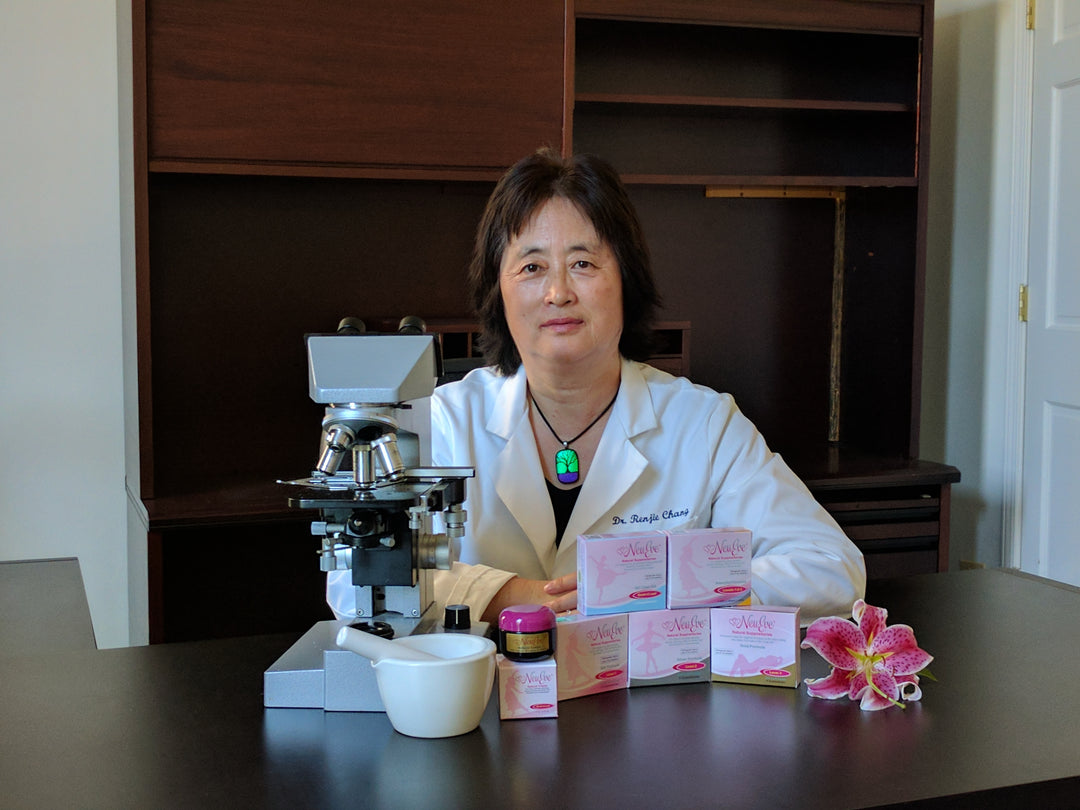
For those looking for established natural solutions, NeuEve offers doctor-formulated, hormone-free salves and suppositories. Developed by an OB-GYN, these products use food-grade ingredients to help nourish vaginal tissues and end feminine discomforts by balancing the vaginal microbiome naturally.
Take the personalized quiz to find the right natural formulation for your body.
|
#1 Best for Yeast Relief |
#2 Best for Burning & CV |
#3 Best for Odor & BV |
|---|---|---|
 |
 |
 |
|
★★★★★ (5.0) |
★★★★½ (4.5) |
★★★★½ (4.6) |
|
|
|
Lifestyle / Hygiene Support
Daily habits play a massive role in discharge management. Wear breathable cotton underwear to reduce moisture trapping.
|
Pro Tip: Avoid aggressive cleaning. Douching or using scented soaps strips away protective bacteria, actually increasing your risk of infections. Stick to water or pH-balanced natural products for hygiene. |
Take Charge of Your Vaginal Health
So, “Is it normal to have white discharge everyday?” Yes.
Daily white vaginal discharge is often part of your body’s natural self-cleaning process. However, it’s important to know your personal “normal” vaginal discharge. Watch for sudden vaginal discharge changes in color, consistency, or smell, as these can signal that something feels off.
Look out for other symptoms like foul odor, foul smell, burning sensation, unusual thickness, or even red discharge or vaginal bleeding, which may indicate a problem.
When your vaginal ecosystem is out of balance, that discharge can change in ways that signal something needs attention. NeuEve has given over 100,000 women their intimate lives back, pain-free and hormone-free. By supporting your body's natural pH and microbiome, you can maintain the kind of balanced, healthy discharge that gives you confidence instead of worry.
Understand your personal normal and support your vaginal health naturally, and you can stop second-guessing and start living with confidence.
Frequently Asked Questions
How can I prevent persistent abnormal white discharge from a yeast infection?
Once your yeast clears, the job is only half done. The other half is maintenance. Once your infection clears, use NeuEve Yeast Clear for maintenance to prevent recurrence.
If you have regular periods, use it once weekly (skip during menstruation); if you're postmenopausal or on birth control pills/patches without regular periods, use it once every 10 days. One 3-suppository pack lasts about a month. This maintenance approach works similarly to taking cranberry extract to prevent UTIs.
Can NeuEve probiotics prevent yeast infection or BV when taking antibiotics?
Yes, taking probiotics like NeuEve Vaginal Probiotic while on antibiotics can help prevent yeast infection and BV by replenishing protective bacteria.
Take them at different times, for example, if you take antibiotics in the morning and afternoon, use probiotics in the evening. Antibiotics kill beneficial gut and vaginal bacteria that normally maintain normal discharge and protect against infections, which is why supplementing with probiotics is important.
Should my partner be treated if I get repeated yeast infections?
Yes, if your yeast infections keep returning after sex or won't go away despite treatment, your partner should be treated too. You may be passing the infection back and forth, even though men often don't show symptoms. Your partner can use soap to clean the area and take Yeast Reset to clear yeast from his system, helping break the cycle of reinfection.
Can hormonal changes affect the likelihood of developing abnormal vaginal discharge?
Yes, fluctuations in hormone levels, such as those during pregnancy, the menstrual cycle, or the use of birth control pills, can increase the risk of yeast infections and thick white discharge.



Leave a comment