



Why Is My Vagina Itchy After Sex?
Post-coital vaginal itching can happen for a few different reasons. Often, it’s caused by friction, vaginal dryness, mild allergic reactions to products, or shifts in vaginal pH that make yeast or bacteria more active. Vaginal dryness can also worsen tiny tears and injuries.
In most cases, the irritation and vaginal itching are temporary and resolve on their own. If the itching after sex persists and is accompanied by unusual vaginal discharge or discomfort, it could indicate an underlying infection or sexually transmitted infection (STI) that needs attention.
Noticing these symptoms is your body’s way of communicating with you, and being aware is the first step toward protecting your vaginal health.
3 Non-Infectious Irritants
One of the most common reasons for itching after sex is simple mechanics. Prolonged thrusting and sexual activity with insufficient lubrication can cause micro-tears in the delicate vaginal tissue. This is especially common during perimenopause and menopause, where lower estrogen levels lead to thinning tissues and vaginal dryness.
When these micro-abrasions begin to heal, or when the tissue is inflamed, the sensation is often perceived as vaginal itching or a burning sensation. Finding out how to relieve vaginal dryness is essential for comfort and preventing painful sex.
|
Cause |
Typical Clue |
Quick Fix |
|---|---|---|
|
Micro-tears and injuries |
Burning sensation immediately during or after sex |
Cool compress + pelvic rest (no sex for 48h) |
|
Low estrogen dryness |
Itching after sex accompanied by a feeling of "sandpaper" irritation |
|
|
Semen allergy/sensitivity |
Itching starts around 10 mins after ejaculation |
Rinse the vulva with warm water immediately |
Practical Fixes to Reduce Irritation
If dryness or irritation is making intimacy uncomfortable, a few thoughtful adjustments can make a real difference. These practical fixes focus on reducing friction, supporting natural lubrication, and soothing delicate vaginal tissue.
- Extend foreplay: Allow more time for lubrication from sexual arousal to significantly reduce vaginal dryness.
- Check your lube: Avoid chemical lubes because these products accelerate vaginal atrophy and can cause damage to the natural vaginal microbiome. Skip glycerin, parabens, or added scents that act as chemical irritants and may trigger an allergic reaction.
- Replenish moisture: Consider using NeuEve Silk suppositories. Formulated with food-grade ingredients that act as a vaginal moisturizer to soothe dry tissues.
|
Pro Tip: You may not need extra lubricant when using NeuEve. The best time for intimacy is typically from the second to fourth day after inserting a suppository and about 20 minutes after applying a small amount of vulva balm to the external vulva. |
Common Chemical & Allergic Reactions
Your intimate area is highly sensitive, and an allergic reaction to chemicals is common. Studies suggest that 1% to 6% of the general population has a sensitivity to latex, which can trigger an allergic reaction during intimacy. However, latex allergy isn't the only culprit.
Spermicides, flavored lubricants, and even laundry detergents used on sheets or underwear can trigger contact dermatitis. This results in vaginal itching, swelling, and vulvar redness in the genital area. Identifying which product causes an allergic reaction is crucial for preventing future episodes of post-sex discomfort.
Checklist: Patch-Test at Home in 3 Steps
- Identify the suspect: Isolate the new product (e.g., a new lube or condom brand).
- Test safely: Apply a tiny amount to the inner forearm, not the vulva.
- Wait 24 hours: If the skin becomes red or itchy, discard the product.
|
Cooling Relief Tip: If you are experiencing an allergic reaction, gently rinse the area with lukewarm water. Afterward, applying a thin layer of NeuEve Salve (balm cream) can provide soothing comfort without stinging sensitive skin and help calm vaginal itching. |
Understanding Non-STD Vaginal Infections
Sometimes, sex disrupts the vaginal ecosystem, leading to opportunistic conditions like yeast infections. The friction and introduction of fluids (like semen or saliva) can alter the vaginal pH, allowing yeast (Candida albicans) to flourish.
Your vaginal microbiome is like a well-balanced aquarium. Most of the time, it stays stable, but sex can ‘stir the tank’ (fluids + friction), briefly shifting conditions and letting certain organisms act up until balance returns.
Bacterial vaginosis is a condition that happens when there is an overgrowth of harmful bacteria in the vagina, causing an imbalance. It is considered one of the most common vaginal health issues among older women and can sometimes spread to the groin area if left untreated. Douching after sex or using antibiotics can also strip away protective Lactobacilli.
Here’s a quick guide to help you spot common vaginal conditions and how they typically show up.
|
Condition |
Symptom Texture |
Typical Discharge |
Odor |
|---|---|---|---|
|
Yeast Infection |
Thick, cottage cheese-like |
Clumpy white discharge |
Little or no odor |
|
Bacterial Vaginosis |
Thin, watery |
White or gray vaginal discharge |
Fishy (especially after sex) |
If you are prone to recurrent imbalances, natural remedies for yeast infection are vital. NeuEve suppositories are designed to support microbiome balance, restore natural balance, and promote vaginal health.
|
Key Insight: Bacterial vaginosis is usually caused by a pH imbalance, not poor hygiene. Aggressive scrubbing with harsh soaps or douching is counterproductive; it strips away the protective "good" bacteria needed to fight off the infection. |
3 Sexually Transmitted Infections to Rule Out
While many causes of itching after sex are benign, it is vital to rule out sexually transmitted infections.
Chlamydia / Gonorrhea
Chlamydia is caused by the bacterium Chlamydia trachomatis, while gonorrhea is caused by Neisseria gonorrhoeae.
Both STIs are often asymptomatic, but can cause mild itching after sex, painful urination, and unusual vaginal discharge.
Trichomoniasis
Characterized by a frothy, greenish-yellow discharge and intense itching. Trichomoniasis is a kind of parasitic infection that can also cause burning sensations, discomfort during urination, and inflammation in the genital area. It is one of the most common curable STIs, but requires prescription medication for effective treatment.
Genital Herpes
Genital herpes caused by Herpes Simplex Virus (HSV) typically presents as grouped blisters that are painful, though the initial "prodrome" phase may just feel like tingling or itching. Unlike yeast infections or allergic reaction symptoms that may sometimes resolve on their own, genital herpes requires antiviral treatment to manage outbreaks and reduce transmission risk.
If you notice any lesions, bumps, or swelling, request a specific swab for HSV PCR, as standard panels may not always include it. Early detection of genital herpes allows for prompt treatment and better management of symptoms.
|
Warning/Important: Visual checks are not enough. Many STIs, including chlamydia and Gonorrhea, are often asymptomatic ("silent"). If you have a new partner, a laboratory test is the only way to ensure your safety and rule out unusual symptoms. |
Natural Hormone-Free Support Solutions
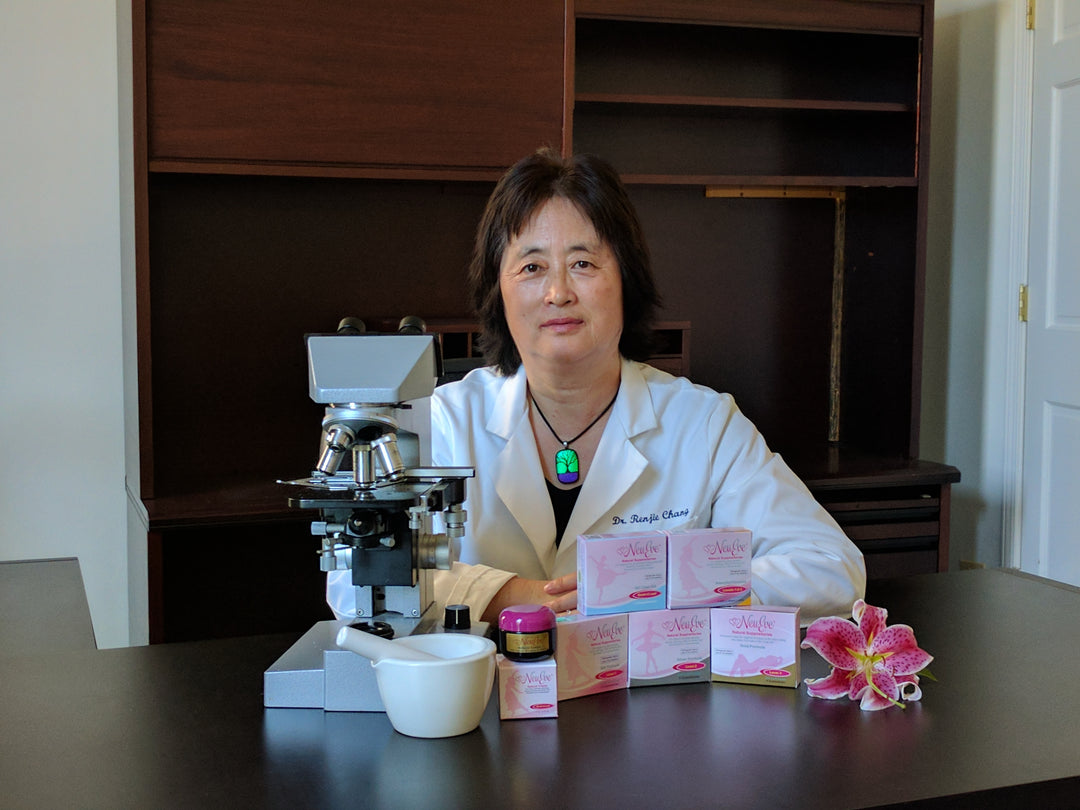
If you want to seek relief without synthetic hormones, NeuEve offers doctor-formulated, U.S.-produced solutions. Founded by an OB-GYN, our products utilize food-grade, natural ingredients to support intimate health safely while addressing vaginal dryness and discomfort.
|
#1 Best for Pre-Menopause |
#2 Best for Perimenopause |
#3 Best for 5+ years Post-menopause |
|---|---|---|
 |
 |
 |
|
NeuEve Gold |
NeuEve Silver |
NeuEve Silk |
|
★ ★ ★ ★ ★ (4.9) |
★ ★ ★ ★ ★ (4.8) |
★ ★ ★ ★ ★ (4.7) |
|
|
|
|
Find Your Match: Take our free 2-minute quiz to align the right formulation to your age and dryness level. |
5 Ways to Prevent Itching After Sex Naturally
Prevention is often about simple adjustments to your routine. Incorporate these habits to protect your intimate barrier:
💧 Stay Hydrated: Aim for clear urine to help flush out harmful bacteria naturally.
🛡️ Choose Wisely: Use latex-free condoms (e.g., polyurethane or lambskin condoms) if you suspect latex allergy or sensitivity.
🚿 Post-Sex Routine: Empty your bladder and gently rinse the vulva with water after sex to help lower the risk of urinary tract infections and itching after sex.
❌ Avoid Irritants: Skip douching and heavily-scented products, harsh soaps, and chemical irritants.
🌿 Maintenance: A periodic NeuEve maintenance suppository with probiotics may help keep your pH in the optimal range and reduce the risk of vaginal itching caused by yeast infections.
Reclaim Comfort and Confidence in the Bedroom
Most post-sex vaginal itching is usually caused by friction, mild allergies (e.g., latex and semen allergy, also called seminal plasma hypersensitivity), or non-sexually transmitted diseases like yeast or BV.
You shouldn't have to dread intimacy because you know what's coming next: that maddening itch that leaves you uncomfortable and frustrated. When post-sex itching becomes your new normal, it creeps into your confidence, makes you second-guess intimacy, and can even strain the connection with your partner.
But what if the irritation, the friction-related dryness, or the microbiome imbalance causing that itch could actually be soothed naturally and without hormones? NeuEve has given over 100,000 women their intimate lives back, pain-free and hormone-free.
You deserve intimacy without the itch. Start with what's right for your body, and discover how natural relief can bring back the comfort and joy you've been missing.
Frequently Asked Questions
Can vaginal itching after sex be a sign of something serious?
Not usually. Most genital itching after sex resolves within 24-48 hours and stems from friction, vaginal dryness, or pH changes.
When should I be concerned about persistent itching after sexual activity?
If itching lasts more than a few days or worsens over time, it could signal a common vaginal infection like bacterial vaginosis or yeast infection. These are easily treatable (check BV Clear and Yeast Clear) and often triggered by changes in vaginal pH during sexual activity.
Less commonly, persistent itching may indicate a sexually transmitted infection. Genital herpes may cause itching along with small blisters or sores, while genital warts appear as flesh-colored bumps that can itch.
On the other hand, latex allergy typically improves once you stop using the product. If you experience unusual discharge, painful urination, or recurring symptoms, a proper medical evaluation is a must.
How do latex condoms cause vaginal irritation and itch?
Latex condoms are a common culprit for those with latex allergy. Spermicide-coated condoms contain nonoxynol-9, which kills sperm but also disrupts vaginal flora and can cause burning in up to 30% of users. Even silicone-based lubes on pre-lubricated condoms may trigger allergic reactions.
Also, NeuEve suppositories are oil-based and may dissolve latex, causing condoms to break, so use non-latex condoms like polyurethane instead. If you only have latex condoms available, wait at least 3 days after inserting a NeuEve suppository before having sex to allow the oils to clear.
Can NeuEve Salve be used as a lubricant before sex?
Yes. Apply a dime-sized amount of NeuEve Salve to the external vulva about 10–20 minutes before sex. This timing helps stimulate natural moisture inside the vagina.
That said, using NeuEve Salve strictly as a lubricant is not its most effective use. NeuEve Salve is designed to do more than provide temporary slip. With regular use of NeuEve products, such as daily salve application and Silk suppositories, you may no longer need additional lubricants at all.


Leave a comment