



How Long to Wait for Sex After Yeast Infection Treatment
If you've just been diagnosed with a yeast infection, you're far from alone.
About 75% of women will experience a yeast infection at least once in their lifetime. Some women develop frequent yeast infections that require specialized care. Your first yeast infection can be alarming, but choosing the appropriate treatment brings quick relief.
Once you start vaginal yeast infection treatments and symptoms begin to improve, one of the first questions that comes to mind is: "When can I have sex again?" Getting the timing right is crucial for complete healing and preventing the yeast infection from coming back.
Think of your vaginal tissue like a scraped knee. Even after you apply medicine and the worst symptoms fade, the skin underneath is still repairing itself. Resuming vaginal intercourse too soon is like rubbing that healing scrape. It disrupts the healing process, causes pain, and can restart the problem from scratch.
For women dealing with recurrent infections, understanding the healing process and recovery timeline among yeast infection patients becomes even more critical. This guide explains exactly why waiting matters, provides specific timelines based on your treatment method, and offers practical steps to protect both you and your partner from reinfection.
What Is a Vaginal Yeast Infection?
Before diving into timelines, it helps to understand what happens during a yeast overgrowth. In about 90% of cases, yeast infections occur when the Candida fungus Candida albicans multiplies, while non-albicans species account for the remaining 10%.
Normally, this yeast lives in small numbers alongside healthy bacteria like Lactobacillus. Problems arise when this balance is disrupted. This imbalance is responsible for most yeast infections women experience.
Think of your vaginal microbiome like a garden. When the environment is balanced, good bacteria act as gardeners, keeping yeast (the weeds) under control. But when something disrupts that balance, the weeds multiply rapidly and take over, triggering a yeast infection.
Common symptoms of vaginal yeast infections include vaginal itching, abnormal vaginal discharge, swelling, burning during urination or sex, and other severe symptoms.
Common yeast infection triggers include unmanaged diabetes, antibiotic use, hormonal shifts, and even tight, non-breathable clothing that traps moisture and heat. Yeast infections occur more frequently in women with these risk factors.
Here's how common risk factors affect your likelihood of developing an infection:
|
Risk Factor |
Impact Level |
Why It Matters |
|
Antibiotic use |
10% to 30% higher |
Kills protective bacteria |
|
Pregnancy |
20-30% of women |
Hormonal changes alter pH |
|
Diabetes (unmanaged) |
3x higher |
High blood sugar feeds yeast |
|
Immunosuppression |
Higher |
Weakened defenses can't control yeast |
|
Oral contraceptives |
Higher |
Estrogen promotes yeast growth |
Once your yeast infection is diagnosed, choosing the right vaginal yeast infection treatments is essential for proper healing and knowing when it's safe to resume sexual activity.

Why Should You Delay Sex After Yeast Infection Treatment?
It can be tempting to resume sex as soon as the itching subsides or discharge clears. However, there are science-backed reasons to wait, even if you think your yeast infection is gone. Understanding when to wait for sex protects both partners.
Exercising patience protects your long-term comfort and health. This is especially true for those dealing with recurring yeast infections.
- Tissue Healing: Yeast infections cause vaginal inflammation and microscopic tears in the vaginal wall. Friction from intercourse can reopen these wounds, leading to pain and prolonged recovery.
- Reinfection Risk: Sexual activity can alter your pH balance, allowing yeast to multiply again just as it was clearing. This restarts the yeast infection cycle.
- Partner Transmission: Yeast can pass to your partner during sex. Men may develop balanitis (a penile rash), and transmission is also possible through oral sex.
- Condom Failure: Many antifungal creams contain oils that degrade latex condoms, increasing the risk of pregnancy and STI transmission.
- STI Confusion: Yeast infection symptoms can overlap with sexually transmitted infections, making proper diagnosis crucial before resuming activity.
Protecting your sexual health requires patience during recovery. Resuming sex too early can turn a simple yeast infection into a chronic problem. The friction alone can cause significant irritation, making the experience unpleasant and setting your healing back to day one.
How Long Should You Wait for Sex After Treatment?
The answer depends on your treatment type and how your body responds. As a general rule, complete your full course of treatment and observe a waiting period of at least 2 to 3 days while symptom-free before resuming your sex life.
Topical Treatments (Creams and Suppositories)
These treatments are designed to coat the vaginal lining and continue working for several days after application. Engaging in sexual activity removes the medication from where it's needed most.
Additionally, friction can rub the medication into micro-abrasions, causing intense stinging. Most topical treatments require 3-7 days to complete, plus an additional 2-3 symptom-free days before sex is safe. This waiting period ensures the treatment works effectively. Knowing when to wait before sexual intercourse prevents treatment failure.
Oral Medications
Pills like fluconazole work systemically but don't heal tissue instantly. Yeast infections normally take up to seven days to clear after taking the medication, and only resume sex once redness, swelling, and discharge have completely resolved. If symptoms persist, the infection may still be active.
Protecting Your Sexual Partner
Yeast infections aren't just a solo concern. They affect both partners. Protecting your sexual health means treating both partners when necessary to avoid the "ping-pong effect" where infections pass back and forth. Symptoms of a yeast infection in men include redness, itching, or a white film under the foreskin. If both partners show symptoms, both need treatment simultaneously.
Condom material matters. Avoid latex condoms if you've recently used creams or suppositories, as oils degrade latex. Always use protection during unprotected sex to prevent other complications. Use polyurethane or nitrile condoms instead.
Additionally, wash sex toys thoroughly with soap and water after every use. Boil silicone toys for at least 3 minutes to eliminate lingering yeast.
Taking a short break from sexual activity is far better than dealing with months of recurring yeast infections due to impatience.
How Can You Prevent Future Infections?

Once you've cleared the yeast infection, the goal is to keep it away. Small daily adjustments can strengthen your natural defenses against Candida. A weakened immune system can also make you more susceptible to recurrent yeast infection episodes. Understanding why yeast infections occur helps you prevent them.
Wear breathable cotton underwear and avoid tight synthetic clothing that traps heat and moisture. After sex, always urinate and rinse the vulva with lukewarm water to remove potential irritants. If you experience dryness during sexual activity, using a natural treatment for vaginal dryness can help maintain tissue integrity and prevent micro-tears that invite infection.
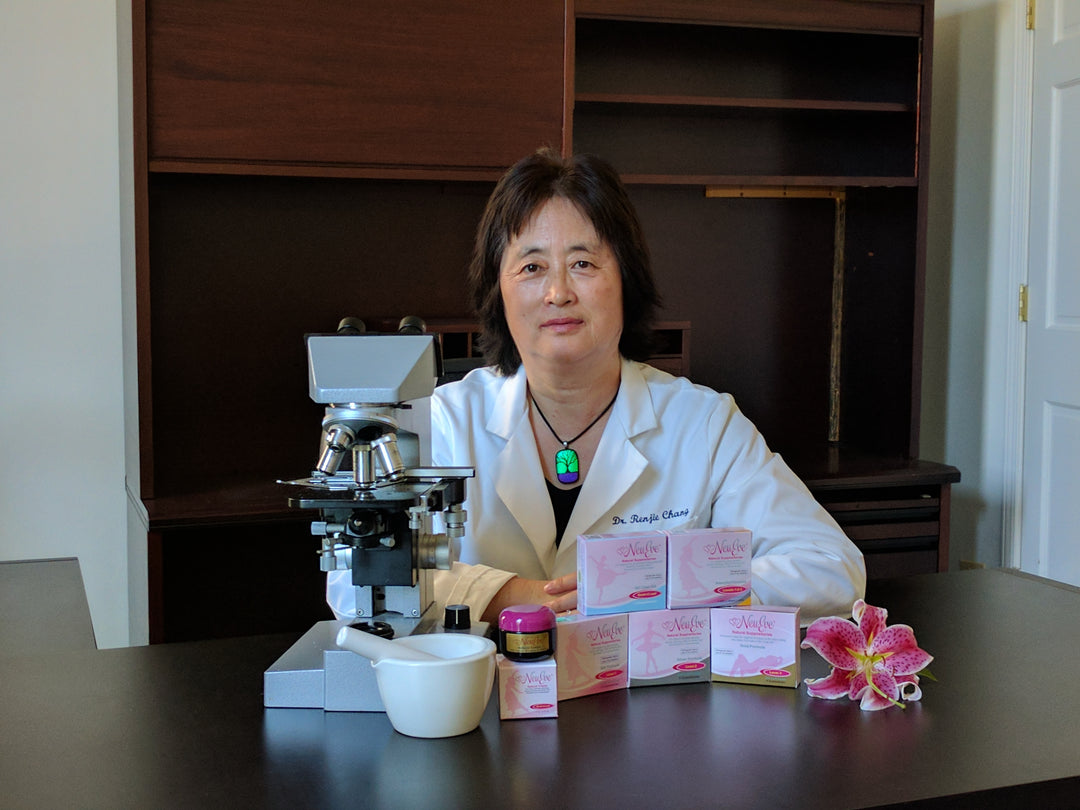
For women who experience recurrent yeast infections, maintaining a healthy vaginal environment is essential. Founded by an OB-GYN, NeuEve offers hormone-free suppositories and topical products that act as a restorative vaginal moisturizer to support healthy pH and bacterial balance. These formulas are particularly helpful for menopausal or sensitive users, providing gentle care that supports the vaginal microbiome without disruption.
Diet and lifestyle matter too. Moderating sugar intake can help starve yeast populations, while managing stress and getting adequate sleep strengthens your immune system's ability to keep yeast in check naturally. These factors are especially important for preventing frequent yeast infections.
When Should You Seek Professional Help?
While most yeast infections are straightforward, some require medical intervention. If this is your first yeast infection, consider filling out our Medical Question Contact Form to ask for Dr. Chang or any of our science staff's insights before starting treatment.
Recurrent yeast infections, defined as four or more episodes in one year, affects less than 5% of women. If you fall into this category, see a clinician immediately. Women who experience recurrent yeast infections often need long-term management strategies. Chronic issues may require culture tests to identify resistant strains or a longer treatment plan.
Approximately 138 million women worldwide experience recurrent vulvovaginal candidiasis annually, with a global annual prevalence of 3,871 per 100,000 women. These recurring yeast infections significantly impact quality of life and sexual health.
If standard treatments fail to provide relief, you may need to learn how to treat Ureaplasma, as this bacterial infection can mimic yeast infection symptoms. Always seek professional advice for persistent pelvic pain, fever, or unusual discharge. Recurrent infections may signal underlying health issues that need professional evaluation.
Taking Control of Your Recovery
The key to safe recovery is patience. Finish your full course of treatment and remain symptom-free for 48-72 hours before resuming sex. Protect your partner by avoiding latex condoms if you've used oil-based creams, and ensure both partners are treated if symptoms are present.
Supporting your body goes beyond treating the immediate infection. Wear breathable fabrics, manage stress, and maintain your vaginal microbiome to prevent future flare-ups.
Ready to take control of your vaginal health? Explore NeuEve's hormone-free, doctor-formulated products designed to support your body's natural balance.


Leave a comment