



UTI vs Yeast Infection: How to Tell the Difference
You wake up with that familiar, dread-inducing sensation. Is it just irritation, or is something brewing?
For millions of women, "mystery pelvic pain" is a recurring nightmare that disrupts work, sleep, and intimacy.
Identifying the source of your discomfort is the first critical step toward relief. Confusion runs high because urinary tract infection and yeast infection symptoms often overlap. Understanding the UTI vs yeast infection difference is essential for finding effective vaginal yeast infection treatments quickly.
Many women mistake fungal infection symptoms for bacterial ones. This confusion can delay proper treatment and prolong discomfort. While UTIs and yeast infections both affect the pelvic region, they require very different medical approaches.
Knowing the distinct risk factors for each condition empowers you to take preventive action. This guide breaks down the symptoms, causes, and diagnosis methods for each condition.
What Is a Urinary Tract Infection (UTI)?
A urinary tract infection (UTI) occurs when bacteria enter the urinary system, which comprises the kidneys, ureters, bladder, and urethra. It’s important to recognize the symptoms early before the infection spreads to the kidneys. Most infections involve the lower urinary tract: the bladder and the urethra.
Think of your urinary tract like a one-way street designed to flush waste out of your body. When bacteria travel up this street in the wrong direction, they set up camp and cause infection.
UTIs are more common in females because their urethras are shorter and closer to the rectum, making it easier for bacteria to enter the urinary tract. The vast majority of these infections (approximately 80%) are caused by Escherichia coli (E. coli). Women who experience recurrent UTIs should discuss prevention strategies with their doctor.
Hormonal fluctuations during perimenopause and menopause can thin the urinary tract lining, creating a breeding ground for bacteria. Statistics show that 10–60% of women will experience at least one UTI in their lifetime. Common UTI symptoms include burning during urination and frequent bathroom trips.
What Is a Yeast Infection?
Unlike a UTI, which is a bacterial infection of the urinary system, a vaginal yeast infection is a fungal infection. It causes irritation, vaginal discharge, and intense vaginal itching.
Vaginal yeast infection (also called vaginal candidiasis) affects up to 3 out of 4 women at some point in their lives. A healthy vagina contains a balanced mix of yeast and bacteria. Bacteria like Lactobacillus produce acid, which prevents yeast overgrowth.
Think of your vaginal microbiome like a garden. When the ecosystem is balanced, beneficial bacteria keep yeast in check. But when something disrupts that balance, yeast can take over like weeds.
Factors that increase the risk include pregnancy, hormonal contraceptives (birth control pills), diabetes, a weakened immune system, and antibiotic use. If the delicate microbiome is disrupted, Candida can multiply out of control.
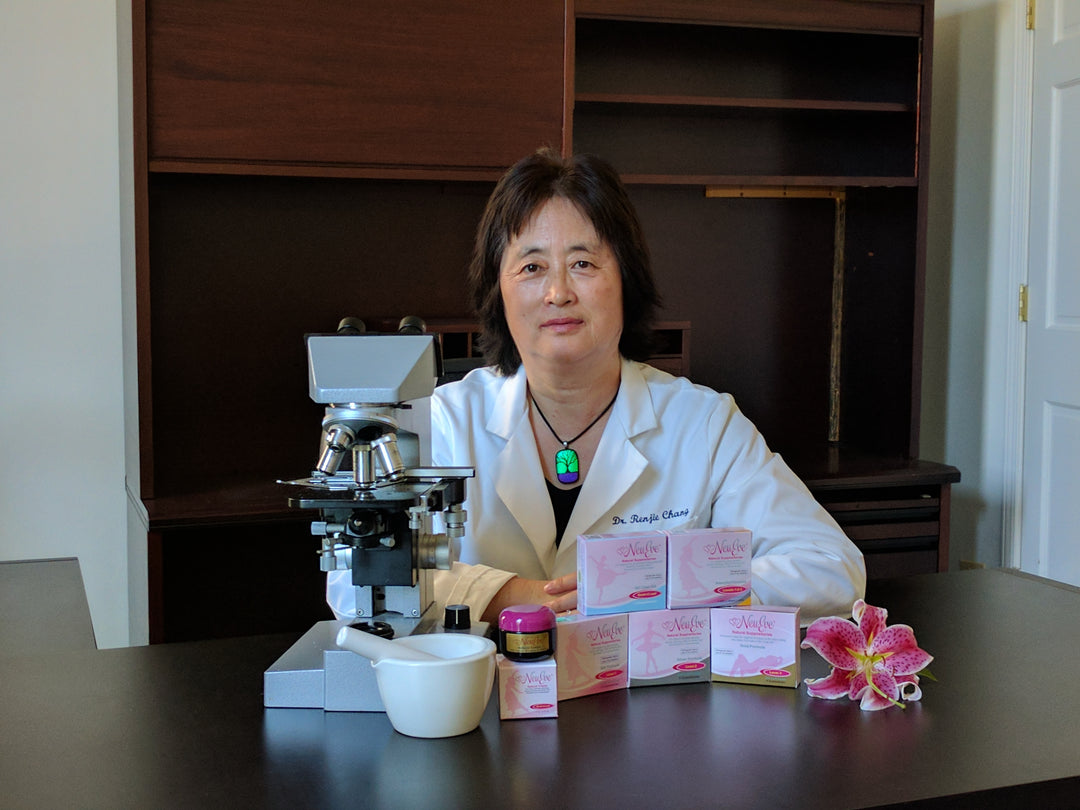
Women with recurrent yeast infections can fill out the Medical Question Contact Form to work with Dr. Chang and our science team to identify the underlying causes. Understanding when and why yeast infections occur is key to effective prevention.
Symptoms: UTI or Yeast Infection?
While both UTIs and yeast infections affect the pelvic region, understanding the specific symptoms is key to proper treatment.
Similarities Between UTIs and Yeast Infections
Both UTIs and yeast infections cause burning sensations and general pelvic discomfort, which is why they're so often confused. Both can disrupt sleep, work, and intimacy. And both require prompt attention to prevent more severe symptoms.
One common overlap is the burning sensation. However, the key is understanding when and where the burning occurs. The overlapping symptoms make distinguishing a UTI vs yeast infection challenging without testing.
Key Differences Between UTIs and Yeast Infections
The most common UTI symptoms center around urination changes. A UTI is an issue with the plumbing (urinary tract). A yeast infection is an issue with the environment (vaginal canal).
In a UTI, the burning sensation is usually tied to the act of urinating and feels internal. With a yeast infection, the tissue itself is inflamed. Burning may happen when urine touches the irritated skin, but the pain is external rather than internal to the urethra. This is a subtle but major clue.
Recognizing these UTI symptoms versus yeast infection symptoms helps you seek appropriate treatment faster.
Urinary Tract Infection (UTI) vs Yeast Infection: Quick Reference
Here's a comprehensive breakdown to help you identify which condition you may be experiencing:
|
Feature |
UTI |
Yeast Infection |
|
Cause |
Bacterial (usually E. coli) |
Fungal (Candida overgrowth) |
|
Location |
Urinary tract (bladder, urethra) |
Vagina and vulva |
|
Main Symptoms |
Burning during urination, persistent urge to pee, cloudy/bloody urine |
Thick white vaginal discharge, intense vaginal itching, external burning |
|
Pain Type |
Internal, during urination |
External, constant irritation |
|
Discharge |
None (or cloudy urine) |
Thick, white, cottage cheese-like |
|
Odor |
Sometimes foul-smelling urine |
Usually odorless or slightly yeasty |
|
Risk Factors |
Dehydration, sexual activity, holding urine |
Antibiotics, high estrogen, diabetes |
Understanding whether you have a UTI or yeast infection determines the different treatment approaches you'll need.
Can You Have Both a UTI and Yeast Infection at Once?
Unfortunately, yes. Having both a urinary tract infection and a yeast infection simultaneously is particularly common if you have recently taken antibiotics for a UTI. According to research, antibiotics can cause yeast infection by wiping out good vaginal bacteria.
Additionally, the pH shifts associated with menopause can make the pelvic region susceptible to both infections at the same time. This creates a frustrating cycle where treating one condition may inadvertently trigger the other.
Getting an Accurate Diagnosis
While symptoms provide clues, an accurate diagnosis requires testing. Misdiagnosing yourself can lead to ineffective yeast infection or UTI treatment and worsening symptoms. Using antifungal creams on a bacterial infection will provide no relief and may irritate the tissue further.
Testing confirms whether you're dealing with a UTI or a yeast infection. It's also important to rule out sexually transmitted infections, which can cause similar symptoms.
In-Office Testing
Doctors typically use a urine dipstick or culture to confirm a UTI. For yeast, a pelvic exam is performed. A vaginal swab may be taken to examine under a microscope or measure vaginal pH. Determining if you have a UTI or a yeast infection is vital. Accurate diagnosis ensures you receive appropriate yeast infection treatment or UTI medication.
At-Home Options
You can use OTC test strips for UTIs. For a deeper understanding of your vaginal health, the NeuEve Vaginal Microbiome Test offers insights into your bacterial balance.
When to Call Your Doctor Immediately
Some symptoms indicate a more serious infection that requires urgent medical attention. Don't wait if you experience any of the following:
- Fever of 100.4°F (38°C) or higher.
- Pain in the back or side (flank pain) indicates potential kidney involvement.
- Bloody urine or vomiting.
These warning signs could indicate that a UTI has spread to the kidneys or that you're dealing with a more complex infection requiring immediate professional care.
Additionally, if you are pregnant, diabetic, or immunocompromised, seek medical attention promptly even with milder symptoms, as you're at higher risk for complications.
Treatment Options
The right yeast infection and UTI treatment depends on whether you have a UTI or a yeast infection. Effective treatment depends entirely on accurate identification of the pathogen.
While conventional medications address active infections, supporting your body's natural defenses can help prevent recurrence and promote long-term pelvic health. Addressing the root causes can break the cycle of recurrence.
Studies suggest D-mannose can prevent E. coli from adhering to bladder walls. NeuEve's D-Mannose & Cranberry supplement provides this targeted support for urinary tract health. This approach is especially beneficial for women dealing with recurrent UTIs.

Probiotics containing Lactobacillus strains replenish beneficial bacteria that keep your system balanced. NeuEve's vaginal probiotics help prevent recurrent yeast infections and UTIs by supporting protective bacteria. This support helps reduce the risk of both yeast infections and UTIs.

Vaginal dryness and tissue irritation create vulnerabilities that make infections more likely. Vaginal suppositories deliver targeted moisture and nutrients directly to the vaginal tissue where they're needed most. NeuEve suppositories provide hormone-free relief that nourishes tissue health and maintains optimal pH balance to defend against both bacterial and fungal overgrowth.
Take Control of Your Intimate Health
Knowing how to tell the difference between a UTI and yeast infection is your first step toward effective relief. By recognizing the distinct symptoms and getting proper diagnosis, you can stop the cycle of recurring infections. UTIs affect the urinary tract and require antibiotics, while yeast infections affect the vaginal environment and need antifungal treatment.
Long-term pelvic health is about creating an environment where your body can defend itself naturally. Explore NeuEve's doctor-formulated products designed to restore balance and comfort at every stage of life.
Frequently Asked Questions
How do probiotics help prevent UTIs?
Probiotics maintain a healthy balance of beneficial bacteria in your vaginal and urinary tract, creating a protective environment that makes it harder for harmful bacteria to take hold. They work by crowding out harmful pathogens and maintaining optimal pH levels. For women prone to UTIs, regular probiotic use can significantly reduce infection frequency.
Is thick white discharge always yeast?
No. While it is a classic sign, conditions like bacterial vaginosis (BV) or certain STIs can present similarly. Testing is the only way to be sure.
Can men get yeast infections?
Yes, though it is less common. Men can develop inflammation of the glans penis (balanitis) from Candida.
Why do I keep getting infections after my period?
This pattern is common in women with recurring infections. Hormonal fluctuations during your menstrual cycle can affect vaginal pH and moisture levels. Blood can also alter the vaginal environment temporarily, making it easier for bacteria or yeast to overgrow. Using pH-balancing products can help.
Can sex cause yeast infections?
Sex itself doesn't cause yeast infections, but it can disrupt your vaginal pH balance or introduce irritants (from condoms, lubricants, or spermicides) that trigger overgrowth. Some women are more sensitive to these disruptions than others.



Leave a comment