



Can You Get BV and Yeast Infection at the Same Time?
Yes, you can have Bacterial Vaginosis (BV) and a yeast infection simultaneously.
This dual diagnosis is called "mixed vaginitis" and is more common than you might think, with a reported prevalence ranging from 4.44% to 35.06% in various studies. Many women also struggle with recurring yeast infections that seem resistant to standard treatments.
The challenge? Symptoms often overlap and mask each other, leaving many women confused and frustrated. It's common to treat one condition with over-the-counter medications, only to find symptoms persist because the other infection remains untreated.
Understanding how BV and yeast infections interact is key to breaking the cycle of recurrence. Below, we'll explain how to identify, treat, and prevent these co-infections using both medical treatments and supportive natural care.
How Bacterial Vaginosis (BV) and Yeast Infection Symptoms Overlap
When you have BV and a yeast infection at the same time, symptoms blend together, creating a confusing picture. You might experience conflicting signs like a fishy odor alongside intense itching, or watery discharge mixed with a clumpy texture. This makes it nearly impossible to self-diagnose accurately.
This symptom overlap is why many women struggle to find relief. Self-diagnosis of mixed vaginitis has a high error rate compared to professional testing. You might treat a yeast infection based on itching, while an underlying BV infection continues untreated. This can lead to further complications if left unaddressed.
The table below shows how symptoms present individually versus when both infections co-exist:
|
Symptom |
Bacterial Vaginosis (BV) |
Yeast Infection (Candidiasis) |
Possible When Both Co-Exist |
|---|---|---|---|
|
Odor |
Distinct "fishy odor," often worse after sex. |
None, or mild bread/yeast infection scent. |
Mixed Signals: Odor may still be present but masked slightly by the yeast infection's overgrowth. |
|
Discharge |
Thin, watery, gray or white vaginal discharge. |
Thick, white, clumpy (like cottage cheese). |
Layered: Can be a mix of watery vaginal discharge with clumpy textures resembling cottage cheese, or vary throughout the day. |
|
Sensation |
Ideally no pain, soreness or itching. |
Intense itching, burning, soreness, swelling, and redness of the vulva. |
High Discomfort: Significant itching and burning combined with the irritation and inflammation associated with high pH. Pain may be present in the vulva. |
|
Vaginal pH |
Elevated (> 4.5). |
Normal (≤ 4.5). |
Elevated: BV usually drives the pH up, even if yeast infections are present. |
Important Note: It's also vital to distinguish these common vaginal infections from Aerobic Vaginitis (AV), a distinct condition requiring different treatment.
Why Are Mixed BV and Yeast Infections Understudied?
Despite affecting a significant portion of women, mixed BV and yeast infections suffer from a "research gap." Historically, clinical trials and funding have focused on isolating single microbes. Researchers often study either bacterial vaginosis or yeast infections (Candida), but rarely the chaotic environment of mixed vaginitis where both interact.

Very few vaginitis trials specifically evaluate co-infection treatments for BV and yeast. Consequently, standard single-dose treatments for yeast infections or BV often fail, leading to misdiagnosis and incomplete healing of vaginal infections.
When a clinician tests only for the "dominant" symptom, such as itching from yeast infections, the co-existing BV infections may go untreated. This incomplete diagnosis often sets the stage for an immediate return of BV symptoms and yeast infections.
How You Get BV and Yeast Infection at the Same Time
The vaginal microbiome is a delicate ecosystem dominated by Lactobacillus bacteria, which keep the environment acidic and protective. Mixed infections like BV and yeast infection usually result from a cascade effect rather than two separate events.
In a study conducted in Alexandria, Egypt, 24% of women experienced mixed vaginal infections, with the most common combination being bacterial vaginosis and Candida species, detected in 21% of cases.

A mixed infection typically follows this pattern: A trigger like antibiotics, stress, or hormonal changes reduces protective Lactobacillus populations. Without these beneficial bacteria, vaginal pH rises above 4.5, allowing harmful bacteria to flourish and disrupt the balance of vaginal bacteria. The compromised barrier from the initial infection allows Candida to overgrow, creating a vaginal yeast infection.
Common triggers include:
- Antibiotic Use: While treating a bacterial infection, antibiotics kill protective vaginal microflora, allowing vaginal yeast infection to bloom. This is a primary cause for vaginal yeast infection development and bacterial infections.
- Hormonal Shifts: Menopause, pregnancy, and menstruation alter glycogen levels and mucosal integrity, increasing susceptibility to BV and vaginal yeast.
- Sexual Activity: Sexual intercourse with new partners or exposure to semen (which is alkaline) can disrupt pH, triggering BV infections and subsequent yeast infections. Avoiding sexual intercourse during treatment helps prevent reinfection.
- Diet & Health: High sugar intake or uncontrolled diabetes feeds yeast infections and overgrowth of yeast, while immune suppression weakens defenses against BV.
Understanding these triggers helps prevent future infections and reduce the risk of recurring yeast infections. Taking steps to prevent bacterial vaginosis includes maintaining proper vaginal pH through lifestyle modifications.
If you have recurrent infections, partner evaluation may be necessary, as untreated partners can sometimes unknowingly reintroduce pathogens. Partner treatment helps prevent reintroduction of harmful bacteria that can trigger future infections.
How to Treat BV and Yeast Infection at the Same Time with Suppositories
Treating mixed vaginitis requires addressing both infections simultaneously. Research indicates that approximately 30% of bacterial vaginosis cases resolve without treatment, but mixed BV and yeast infections usually require intervention. Most yeast infections in mixed cases require both antifungal medication and antibacterial treatment.
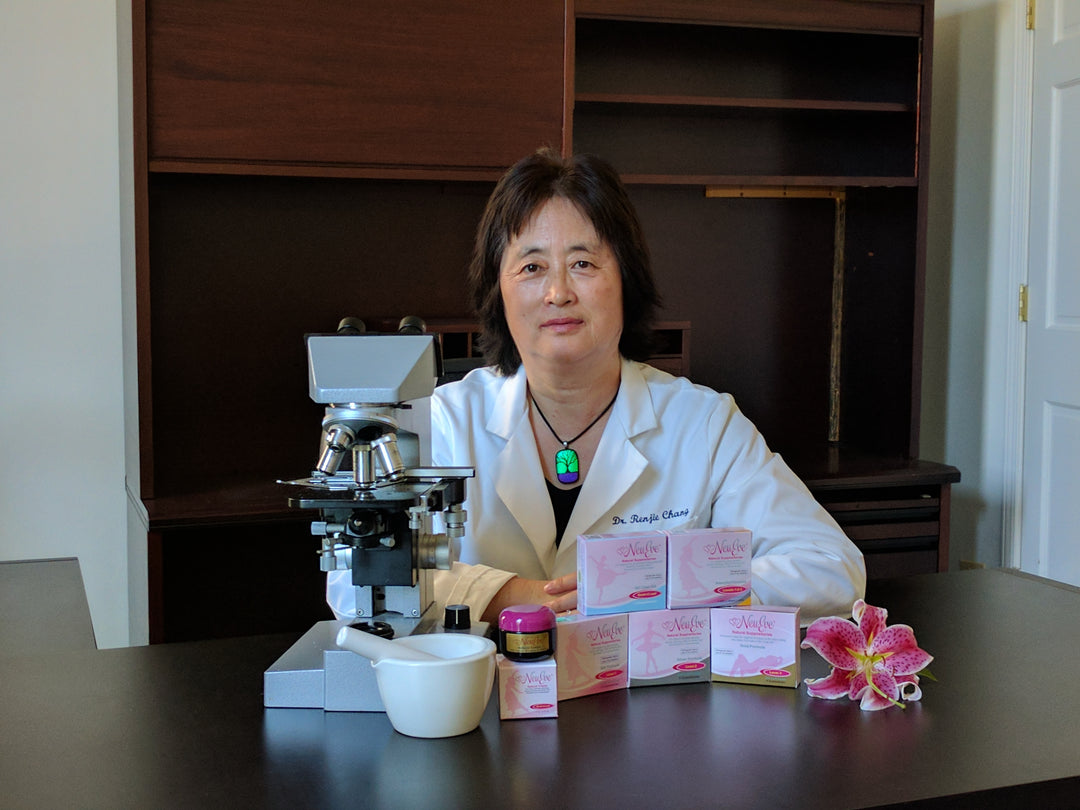
However, prescription medications like antibiotics alone don't restore the protective vaginal balance needed to prevent recurrence. NeuEve suppositories address the root cause: weakened vaginal tissue prone to imbalance. Doctor-formulated by an OB-GYN, NeuEve provides nutrients to heal atrophied tissue and restore normal acidity without hormones or preservatives.

By nourishing the mucosa and maintaining healthy pH, NeuEve creates an environment where healthy bacteria thrive, and pathogens struggle to take hold. For those with chronic issues, finding a natural treatment for vaginal dryness is often key to restoring mucosal integrity and preventing future yeast infections.
NeuEve Gold or Silver can be used alongside medical treatment or as ongoing maintenance to break the cycle of recurrent BV and yeast infections.
The Bottom Line
Dealing with BV and yeast infection at the same time is physically uncomfortable and emotionally draining, but it is treatable. Don't rely on self-diagnosis, as symptoms often overlap. Get a lab test to confirm co-infection and ensure your treatment protocol addresses both bacterial vaginosis and vaginal yeast to prevent further complications.
Frequently Asked Questions
What does mixed BV and yeast discharge look like?
It often presents as a confusing mix of symptoms from both BV and yeast infections. You may notice the thin, grayish, watery vaginal discharge typical of BV, interspersed with the white, clumpy texture associated with vaginal yeast.
The odor is usually a fishy odor, distinct from the odorless nature of a pure yeast infection. Untreated mixed infections can progress to severe symptoms requiring stronger prescription medications.
Why do my BV and yeast infections keep coming back after treatment?
Recurrence often happens because the treatment killed the pathogen but didn't restore the protective vaginal balance. If the vaginal pH remains high and beneficial Lactobacilli are not replenished, the BV or yeast infections can return. Biofilms may also shield bacteria from initial treatment.
Can BV or yeast infections raise STI risk?
Yes. Both BV and yeast infections cause inflammation, irritation, redness, swelling, and micro-abrasions in the vaginal wall. This compromised barrier makes it easier for sexually transmitted infections to enter the bloodstream and cause pain. These represent further complications that extend beyond vaginal health.
Are NeuEve products safe during pregnancy or while TTC?
While NeuEve is all-natural and food-grade, pregnancy is a delicate time, especially if prone to BV or yeast infections. We recommend consulting with your OB-GYN before introducing any new vaginal product during pregnancy. For those trying to conceive (TTC), please visit NeuEve's pregnancy guidance page for specific timing advice.



Leave a comment