



Does Yeast Infection Smell?
The short answer is yes, but the scent is typically mild or non-existent. While many vaginal infections share overlapping symptoms like itching or irritation, odor is often the key differentiator. This helps clinicians distinguish between a yeast infection and other conditions like bacterial vaginosis (BV).
It is important to remember that many yeast infections produce less noticeable vaginal odor. If you are noticing a strong, foul odor, it may signal a different issue.
In this guide, we will break down exactly what to look for and explore the root causes of vaginal yeast infection. We will also outline possible yeast infection treatments.
What Is a Vaginal Yeast Infection?
A vaginal yeast infection, medically known as vaginal candidiasis, occurs when there is an overgrowth of the fungus Candida. Under normal circumstances, your vagina maintains a delicate ecosystem where Candida lives in harmony with beneficial bacteria, primarily Lactobacillus. However, when this balance is disrupted, the yeast can multiply rapidly, leading to a fungal infection.
This condition is incredibly common. Unlike bacterial infections, which thrive in higher pH environments, yeast can overgrow even when the vaginal pH is within the normal (<4.5). While Candida albicans causes most infections, other species like Candida glabrata can cause recurrent issues.
|
Key Insight: Unlike bacterial infections that thrive in high alkaline environments, yeast infections often occur while vaginal pH remains within the healthy, acidic range of 3.8 to 4.5. |
Typical Yeast Infection Symptoms & Discharge Characteristics
Before relying solely on the "smell test," it is crucial to assess the full range of yeast infection symptoms. The hallmark signs of a yeast infection usually involve intense vaginal itching, a burning sensation during urination, and redness or swelling of the vulva, causing significant discomfort and irritation. However, the discharge itself provides significant clues.
|
Feature |
Yeast Infection |
Healthy Baseline |
|---|---|---|
|
Color |
White or off-white |
Clear to milky white |
|
Texture |
Thick, clumpy, and lumpy like "cottage cheese" |
Thin, watery, or egg-white consistency |
|
Odor |
Mild yeasty/bready, like beer, or none |
Musky or fleshy (mild) |
Yeast Infection Odor
There is a pervasive myth that all vaginal infections smell terrible. The reality is nuanced. While odor is not the primary symptom of a yeast infection, a scent can exist. Many women wonder, "does yeast infection smell?" and the answer depends on several factors.
The Classic Yeasty or Bread-Like Smell
When Candida overgrows, the fermentation process can release volatile organic compounds that produce a specific scent. This is often described as yeasty, like bread dough rising, or slightly sweet. It may also smell mildly sour due to the natural acidity of the vagina.
Factors like warm weather, wearing synthetic underwear that traps heat, or staying in damp workout clothes can concentrate sweat. Think of it like a greenhouse: when heat and moisture get trapped inside, everything becomes warmer, more humid, and more “concentrated.” This accumulation can temporarily magnify this natural scent. It's important to note that poor hygiene alone doesn't cause yeast infections, though it can intensify vaginal odor.
Fishy or Foul Smell? Think Again
If you detect a distinct "fishy" odor, especially after intercourse or menstruation, it is highly unlikely to be a simple vaginal yeast infection. A strong fishy smell is the clinical hallmark of bacterial vaginosis or trichomoniasis, a sexually transmitted infection.
Common Causes & Risk Factors
Why does this overgrowth happen? Candida is an opportunist. It waits for the environment to change so it can thrive.
Common triggers include:
Antibiotic Use
Broad-spectrum antibiotics kill bad bacteria but also wipe out the "good"Lactobacillus that keeps yeast in check.
Hormonal Shifts
High estrogen levels during pregnancy, hormone replacement therapy, or high-dose birthcontrol pills can encourage yeast growth. Fluctuations in hormone levels throughout your menstrual cycle can also contribute to vaginal yeast infection symptoms.
Uncontrolled Blood Sugar
Diabetes or high glucose levels provide yeast with its favorite food source: sugar.
Dietary Habits
A diet high in refined sugars and simple carbohydrates can fuel recurrent infections.
Compromised Immunity
Chronic stress or autoimmune conditions can create a weak immune system, lowering your body's natural defenses. According to a study published in the National Library of Medicine, a weak immune system makes you more vulnerable to fungal infection and other health issues.
Yeast Infection Treatment Options: Conventional & Natural
Once diagnosed, the goal is to stop the fungal overgrowth and soothe the vaginal irritation and discomfort. OTC antifungal medications like miconazole or clotrimazole are commonly used for mild yeast infections.
They come in 3-day to 7-day courses. Prescription Fluconazole is a single-dose oral medication prescribed by a doctor. While convenient, it may not be suitable for pregnant women or those with liver concerns.
Here's the Problem: These antifungal medications do a good job killing yeast, but they miss the bigger picture. They don't fix the imbalanced vaginal microbiome that lets the yeast take over in the first place. That's why so many women find themselves back at square one just weeks after treatment. The infection clears up, you feel relieved, and then... it's back.
NeuEve’s Non-Hormonal Support
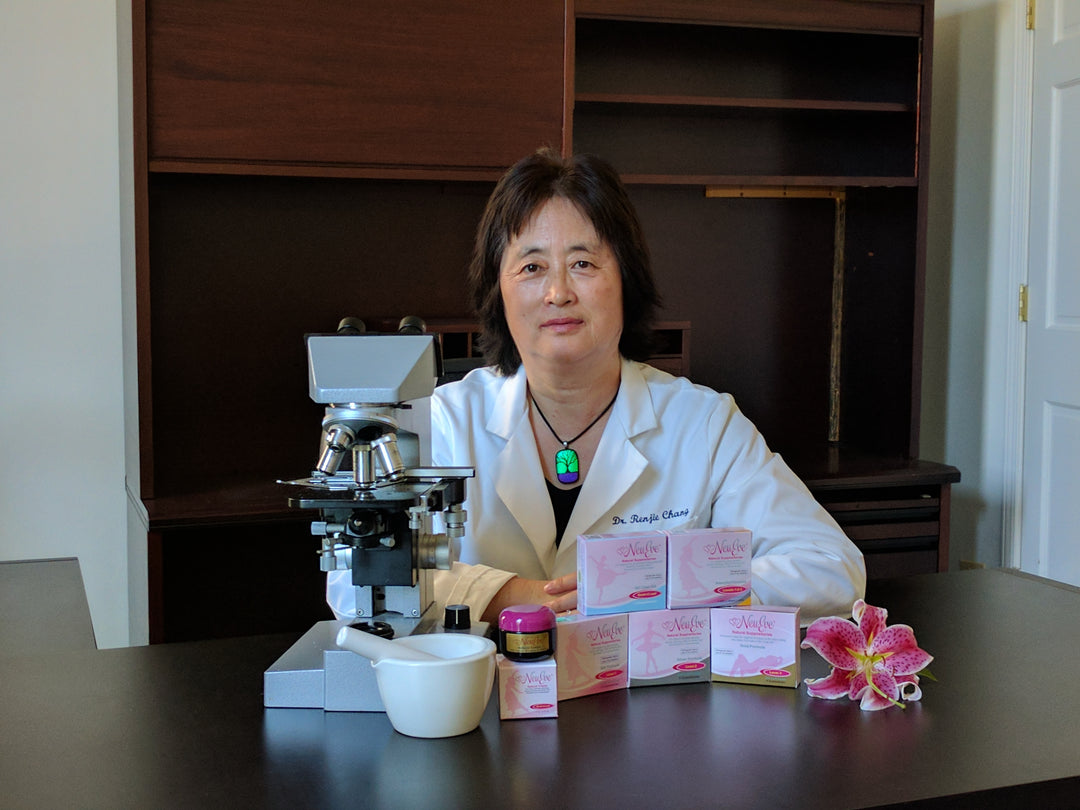
For women seeking to maintain vaginal health naturally, NeuEve offers a unique, toxin-free alternative. Developed by an OB-GYN, NeuEve products are made from 100% all-natural, food-grade ingredients.
Unlike standard antifungal medications, which only kill yeast, NeuEve is designed to nourish the vaginal tissues. This approach is also helpful for women seeking solutions to other concerns, such as how to treat vaginal dryness or atrophy.
Real Women, Real Relief: Many women have shared transformative experiences with NeuEve. Several reported suffering from chronic yeast infections for months or even years. It was a relentless cycle where their doctors would prescribe antifungal medications, the infection would clear temporarily, only to return weeks later.
This pattern left them feeling frustrated and helpless. Since incorporating NeuEve into their vaginal health routine, these women report finally breaking free from recurring infections. By supporting the vaginal ecosystem rather than just attacking the yeast, NeuEve has helped them achieve lasting relief where conventional treatments fell short.
|
#1 Best For Immediate Relief |
#2 Best For Internal Defense |
|---|---|
 |
 |
|
Yeast Clear – NeuEve |
Yeast Reset for Yeast Control |
|
|
Discover What Your Body Is Telling You
A yeast infection or vaginal candidiasis may have a mild, bread-like scent, but a strong, fishy odor often signals something else.
These subtle changes can offer important clues. When you understand what your body is actually telling you, you’re better equipped to address the root cause rather than just masking symptoms.
NeuEve has helped thousands of women regain their intimate lives, pain-free and naturally, through powerful vaginal suppositories and supplements designed to support long-term comfort. By supporting a balanced vaginal microbiome, you can help treat the infections and prevent them from recurring, so you can reclaim lasting comfort and confidence.
Frequently Asked Questions
Can I use NeuEve suppositories and supplements for yeast infection relief?
Yes, NeuEve offers two products for yeast infections: Yeast Clear suppositories work directly in the vagina and may be enough for a single infection, while Yeast Reset pills clear yeast throughout your body, including the gut, bladder, and vagina.
For recurrent infections, use both products together. After clearing the infection, continue maintenance to prevent it from returning.
Can men pass yeast to women?
Yes, men can pass yeast to women even though yeast infections are not considered a sexually transmitted infection. If you are sexually active and experience recurrent vaginal itching from yeast, your partner may be a carrier without showing symptoms and can reinfect you.
While yeast infections are not contagious in the traditional sense, sexual activity can disrupt vaginal balance and allow yeast to overgrow. Consider using condoms to reduce transmission risk and have your partner get treated as well.
How can I tell from a lab test if I have normal flora, BV, CV, AV, or yeast?
Vaginal microbiome testing using NGS (next-generation sequencing) technology can accurately identify specific vaginal conditions by analysing bacterial and yeast balance:
- Normal vaginal microbiome: 90–98% Lactobacillus
- Bacterial vaginosis (BV): More than 10% anaerobic bacteria
- Aerobic vaginitis (AV): Presence of aerobic bacteria (even at levels below 1%)
- Cytolytic vaginosis (CV): Near-100% lactic acid-producing bacteria
- Yeast infection: Elevated levels of Candida
Many labs offer this testing for about $150, but NeuEve customers can get a group discount through Juno. For more details, see our complete guide.



Leave a comment