



How Long Does It Take to Cure Vaginismus? What Recovery Really Looks Like
Many people who come to NeuEve ask us, “How long does it take to cure vaginismus?” It's normal to want a clear answer. However, timing and recovery vary for each person, ranging from a few weeks to several months. Read on to learn what happens during vaginismus treatment and how you can help your body heal.
What is vaginismus and what symptoms does it cause?
Vaginismus is a condition in which fear or anxiety about penetration (including penetrative sex) makes the vaginal muscles tighten, spasm, or close up. This cycle of fear → spasm → pain → fear occurs automatically when you try to insert something into your vagina.
These involuntary muscle contractions happen without your conscious control. Each following experience of pain can reinforce the fear of penetration, creating a vicious cycle.
Physical symptoms: Vaginismus can cause tension, pain, or burning sensations during vaginal penetration. This makes penetration difficult or even impossible. Sometimes, the vaginal pain is so severe that you can start to fear appointments with your gynecologist. For some people, this fear becomes so strong that they skip important gynecological exams.
Emotional symptoms: Fear often causes vaginismus, even if you do not always realize it. In some cases, sexual trauma can be the cause of vaginismus, though this isn’t always the case. Fear of penetration and pain can affect your sex life, your relationships, and how you feel about yourself. Many women experiencing vaginismus feel embarrassment, anxiety, or depression. These feelings are very real, not "just in your head."
At NeuEve, we help many women like you find lasting relief from vaginismus.
How long does it take to recover from vaginismus?
With treatment, some people start to feel better within a few weeks. It can take others several months or more to see progress. While one recovery timeline doesn't fit everyone, you can recover with the right treatment. The journey to painless penetrative sex is possible with consistent effort and appropriate support.
Why does vaginismus healing time vary from person to person?
Multiple factors impact vaginismus healing time, including the severity of your symptoms, how long you’ve had them, and your treatment plan.
-
The severity of your symptoms: Usually, more severe vaginismus symptoms mean a longer healing time.
-
How long you've had symptoms: People who get treatment early often heal faster than those who wait.
-
Your treatment plan: Your healthcare provider will suggest treatments based on your symptoms and health history. Different treatments work at various speeds. Many women improve faster by combining several approaches. For example, combining physical treatments with counseling can help.
Remember, you can recover from vaginismus, but timelines vary for everyone. Try to avoid comparing your recovery to others with vaginismus. Instead, have patience with your body.
How can menopause and vaginal dryness worsen vaginismus symptoms?
When your estrogen levels drop during the menopause transition, your vaginal tissues get thinner and drier. They also lose stretchiness. All of these changes can make painful intercourse more likely.
If you experience painful penetration during or after the menopause transition, it may trigger the pain-spasm cycle we described earlier. Your muscles may contract as a protective reflex the next time you expect or experience pain. Doctors call this “secondary vaginismus.”
Secondary vaginismus develops after periods of comfortable penetrative sex, often later in life. The hormonal changes of the menopause transition can be a vaginismus trigger for some people. When secondary vaginismus develops, it can be particularly frustrating because you previously enjoyed having pain-free intercourse.
Other life changes that impact hormone levels can lead to secondary vaginismus: these include pregnancy and childbirth. Physical birth injuries, painful postpartum healing, and emotional trauma from difficult birth experience can also contribute to a cycle of pain and fear around penetration. This cycle may cause vaginismus in some people.
Addressing muscle tension and vaginal tissue health often helps break the pain-spasm cycle. More on that next.
What treatments are commonly recommended for vaginismus?
Treatment usually combines several approaches. Your healthcare provider might recommend:
-
Pelvic floor physical therapy
-
Vaginal dilator therapy
-
Nourishing the vaginal and pelvic tissues, especially if you have dryness
-
Education about your pelvic floor muscles and healthy habits
-
Mental health support such as cognitive behavioral therapy (CBT) or sex therapy
-
Botox injections to relax the pelvic muscles
You may have heard that Kegel exercises help reduce symptoms of vaginismus. Most experts don't suggest starting with these pelvic floor exercises. With vaginismus, Kegels can make things worse. However, they may be appropriate later in your recovery.

What natural and non-hormonal options can help with comfort and intimacy?
NeuEve provides natural, non-hormonal options for comfort and intimacy. You can use these alongside treatment with your pelvic floor physical therapist or other provider.
Our products ease vaginal dryness and discomfort, helping you avoid painful penetration. They add moisture where you need it and nourish the vulva and vaginal walls. Our products can also support bone and ligament health in your pelvis.
NeuEve products can support your pelvic floor physical therapy program, including dilator training. Vaginal dilation helps gently stretch tight pelvic floor muscles and tissues. It also helps reduce the reactivity of the nervous system. The more often you can use your vaginal dilators without pain, the less your nervous system associates penetration with pain.
NeuEve products can help make dilator training more comfortable. Healthy, flexible vaginal tissues tolerate dilation and stretching better than dry, stiff tissues. This helps your nervous system gradually “forget” that penetration = pain.
We offer treatment kits tailored to specific age ranges. For more information on NeuEve vaginismus treatment kits, click here.
Success stories:
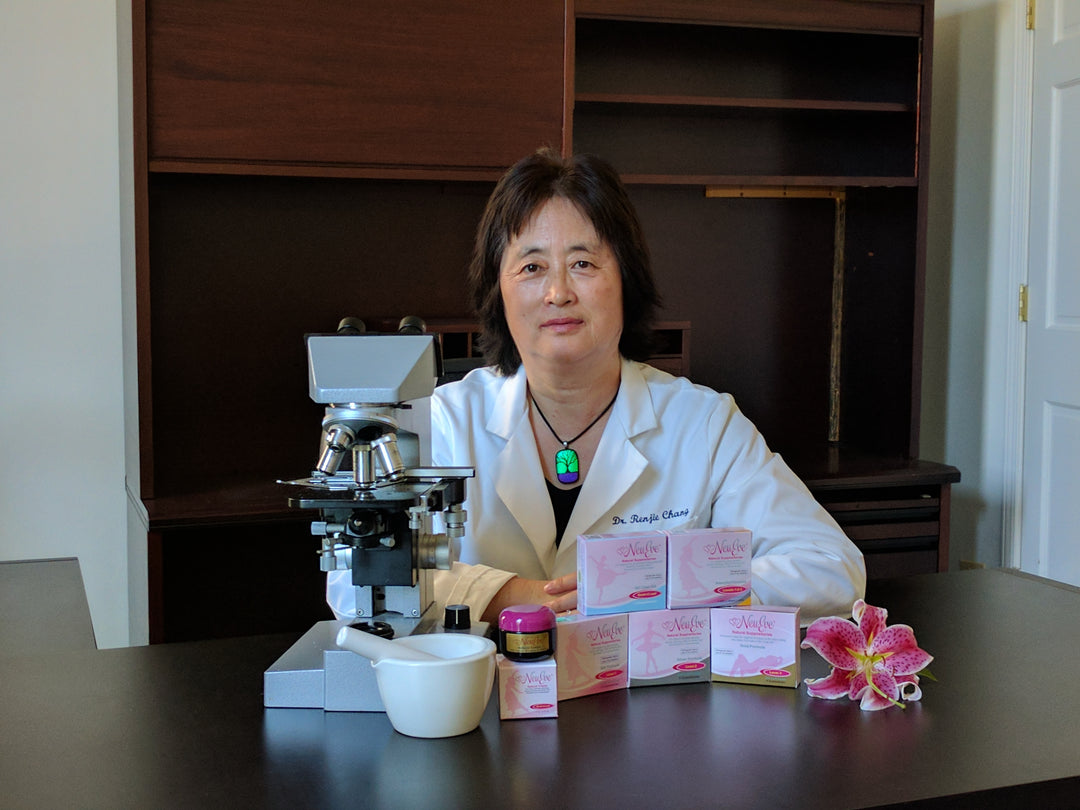
Betty, a NeuEve Silk Vaginal Moisturizer user, said: “After reading Dr. Chang's story and the Neueve Products, and reviews, I decided to try the Silk Product and the Multi-vitamin. I am 80 years old and now enjoy an intimate relationship, after 25 years of celibacy.”
Sandy, a NeuEve Feminine Moisture Support supplement user, told us: “I have been on it [for] 2 and half years… no more dryness. They have helped me so much. My sister is on it too. We are twins and are 71. Just a joy to feel like I did as a young girl!!!! Thank you NeuEve .. bless you all”
When should women get specialized help for vaginismus?
Women should seek specialized help for vaginismus as soon as symptoms appear. If you delay treatment, vaginismus can worsen. You may then need more intensive therapies or longer recovery times. Waiting to address severe cases can lead to more complex sexual dysfunction issues.
But don’t panic; even if you waited before getting treatment, you can still experience recovery: it just might take longer. It’s never too late to get care for vaginismus.
By the way: If you fear an invasive pelvic exam, tell your doctor. They can skip or modify it until your symptoms improve. They can also help you find the treatment you need.
Understanding recovery time
No one can give a single answer to "How long does it take to cure vaginismus?" Your recovery depends on your symptoms, treatment plan, and how your body responds. Don’t give up: vaginismus is highly treatable, and you can recover from it.
Whether you're dealing with primary vaginismus or symptoms that developed later, know that treatment success is possible. NeuEve is here to help, no matter how long it takes.
To learn more about NeuEve products that promote healing, including support with dilation exercises, visit: How to Overcome Painful Vaginismus Effectively and Safely?
Sources Cited
Pacik, P. (2015). Understanding and treating vaginismus: A multimodal approach. Obstetrical & Gynecological Survey, 70(5), 314–316. https://doi.org/10.1097/01.ogx.0000464926.75285.1c
Pithavadian, R., Dune, T., & Chalmers, J. (2024). Patients’ recommendations to improve help-seeking for vaginismus: A qualitative study. BMC Women's Health, 24, 203. https://doi.org/10.1186/s12905-024-03026-x
Chalmers, K. J. (2024). Clinical assessment and management of vaginismus. Australian Journal of General Practice, 53(1–2). https://www1.racgp.org.au/ajgp/2024/january-february/clinical-assessment-and-management-of-vaginismus
Pacik PT, Geletta S. Vaginismus Treatment: Clinical Trials Follow Up 241 Patients. Sex Med. 2017;5(2):e114-e123. doi:10.1016/j.esxm.2017.02.002
Özen B, Özdemir YÖ, Beştepe EE. Childhood trauma and dissociation among women with genito-pelvic pain/penetration disorder. Neuropsychiatr Dis Treat. 2018;14:641-646. Published 2018 Feb 23. doi:10.2147/NDT.S151920
Konac, A., & Yıldız, M. (2025). Botulinum toxin for refractory vaginismus: A therapeutic evaluation of a rare and under-researched condition. JBRA Assisted Reproduction, 29(4), 705–710. https://doi.org/10.5935/1518-0557.20250051
Wicaksono, R. A., Gunawan, E., Fitriansari, S., Pacik, P. T., & Tjandraprawira, K. D. (2026). Managing vaginismus with assisted dilatation multidisciplinary protocol—Retrospective cohort study from Indonesia’s largest dedicated centre. International Journal of Women's Health, 18, 580236. https://doi.org/10.2147/IJWH.S580236
Kiremitli, S., & Kiremitli, T. (2021). Examination of treatment duration, treatment success and obstetric results according to the vaginismus grades. Sexual Medicine, 9(5), 100407. https://doi.org/10.1016/j.esxm.2021.100407
Maseroli, E., Scavello, I., Rastrelli, G., Limoncin, E., Cipriani, S., Corona, G., Fambrini, M., Magini, A., Jannini, E. A., Maggi, M., & Vignozzi, L. (2018). Outcome of medical and psychosexual interventions for vaginismus: A systematic review and meta-analysis. The Journal of Sexual Medicine, 15(12), 1752–1764. https://doi.org/10.1016/j.jsxm.2018.10.003
Carlson, K., & Vadakekut, E. S. (2026). Genitourinary syndrome of menopause. In StatPearls [Internet]. StatPearls Publishing. https://www.ncbi.nlm.nih.gov/books/NBK559297/
Ram-Weiner M, Hayman-Mendelson A, Allouche-Kam H, Lev-Sagie A. Postpartum dyspareunia: clinical evaluation, causes, and treatment outcomes. J Sex Med. 2023;20(3):324-331. doi:10.1093/jsxmed/qdac040
Padoa, A., McLean, L., Morin, M., & Vandyken, C. (2020). The overactive pelvic floor (OPF) and sexual dysfunction. Part 2: Evaluation and treatment of sexual dysfunction in OPF patients. Sexual Medicine Reviews. https://doi.org/10.1016/j.sxmr.2020.04.002
Torosis, M., Carey, E., Christensen, K., Kaufman, M. R., Kenton, K., Kotarinos, R., Lai, H. H., Lee, U., Lowder, J. L., Meister, M., Spitznagle, T., Wright, K., & Ackerman, A. L. (2024). A treatment algorithm for high-tone pelvic floor dysfunction. Obstetrics & Gynecology, 143(4), 595–602. https://doi.org/10.1097/AOG.0000000000005536


Leave a comment