



How Long Does BV Last?
Bacterial vaginosis (BV) is one of the most frustrating and most common vaginal infections. Symptoms such as white and gray vaginal discharge, strong fishy odor, vaginal itching, and a burning feeling can leave you searching for quick fixes and instant relief…and we don’t blame you. However, BV is a tricky infection, and recurrence is common. Read on as we discuss how long BV lasts, and what you can do to keep it from coming back.
How long does bacterial vaginosis usually last?
When treated with oral antibiotics such as metronidazole, BV symptoms should improve within two to three days, and between 80% and 90% of infections are gone within one month.
However, getting rid of BV isn’t always that simple. Consider the following:
-
It’s common to get BV again. Up to 80% of women with BV have another infection within nine months after initial treatment.
-
You might need more than one course of antibiotics. 10-15% of women still have BV symptoms after their first antibiotic treatment.
-
It’s possible to have BV without knowing it. 30% of women have BV at any given time, but many experience no symptoms. Some women mistake BV for other conditions, such as a yeast infection, urinary tract infection (UTI), or trichomoniasis.
Why do some BV infections last longer than others?
BV infections can last longer, and even come back, when healthy lactobacilli bacteria aren’t able to repopulate the vagina. When lactobacilli populations are too low, there is bacterial imbalance in the vagina. Vaginal pH stays too high, and BV-causing bacteria can grow back.
Let’s go deeper to understand why this happens.
Lactobacilli are the “good” bacteria that populate your vaginal microbiome. They feed off glycogen (a type of sugar) and produce lactic acid. When bacterial levels are balanced, lactobacilli help maintain healthy vaginal pH levels: a pH between 3.8 and 4.5. This acidity keeps BV-causing bacteria, such as Gardnerella, from causing bacterial overgrowth.
If your lactobacilli levels don’t recover fully, BV symptoms may stick around or come back. Factors that can disrupt your vaginal microbiome and prolong BV symptoms include:
-
Smoking
-
Chronic vaginal dryness
-
Douching or the use of irritating vaginal products
-
Menstrual periods, as blood can raise your vaginal pH
-
Being sexually active, as semen and saliva can raise your vaginal pH
-
Periods of hormonal change, especially those that involve low estrogen levels
Can menopause affect how long BV symptoms last?
Yes. Low estrogen levels during perimenopause and postmenopause change your vaginal microbiome and pH, which can make BV infections last longer and recur. Recurring BV infections are especially common in the postmenopausal years.
Without estrogen, the walls of your vagina become thinner and shed fewer cells. When the cells aren’t shedding as much, they aren’t producing as much glycogen (the sugar that feeds lactobacilli). This means that lactobacilli numbers decrease and vaginal pH increases… creating an environment where BV-associated bacteria can thrive more easily.

Can BV go away on its own?
Yes and no. When left untreated, mild cases of bacterial vaginosis resolve in about two weeks. About 30% of BV cases go away without treatment, but this doesn’t mean BV is something to ignore or avoid treating. Recurrent bacterial vaginosis is common and can lead to some unpleasant health outcomes.
Leaving BV untreated may increase your risk of:
-
Endometritis (inflammation of the uterine lining)
-
Pelvic inflammatory disease (PID), a common cause of chronic pelvic pain
-
Sexually transmitted infections (STIs)
-
Pregnancy complications such as preterm birth
-
Post-surgical infections
Why does bacterial vaginosis sometimes come back after treatment?
BV often comes back after antibiotic treatment because antibiotics kill all vaginal bacteria, including Lactobacilli, the good vaginal bacteria that normally keep your vagina properly acidic and infection-free. If your vaginal pH remains elevated (not acidic enough) or Lactobacillus levels stay low, the bacteria that cause BV can regrow.
BV also tends to come back after your period and after certain sexual activities. This happens because blood, semen, and saliva can all raise your vaginal pH. Keeping your pH between 3.8 and 4.5 is key to getting rid of BV for good.
How to keep BV from coming back
If you’re dealing with frustrating BV symptoms for a second (or even third) time, you’re not alone. While antibiotics are the best way to cure an active infection, acting preventively can help you keep infections from coming back.
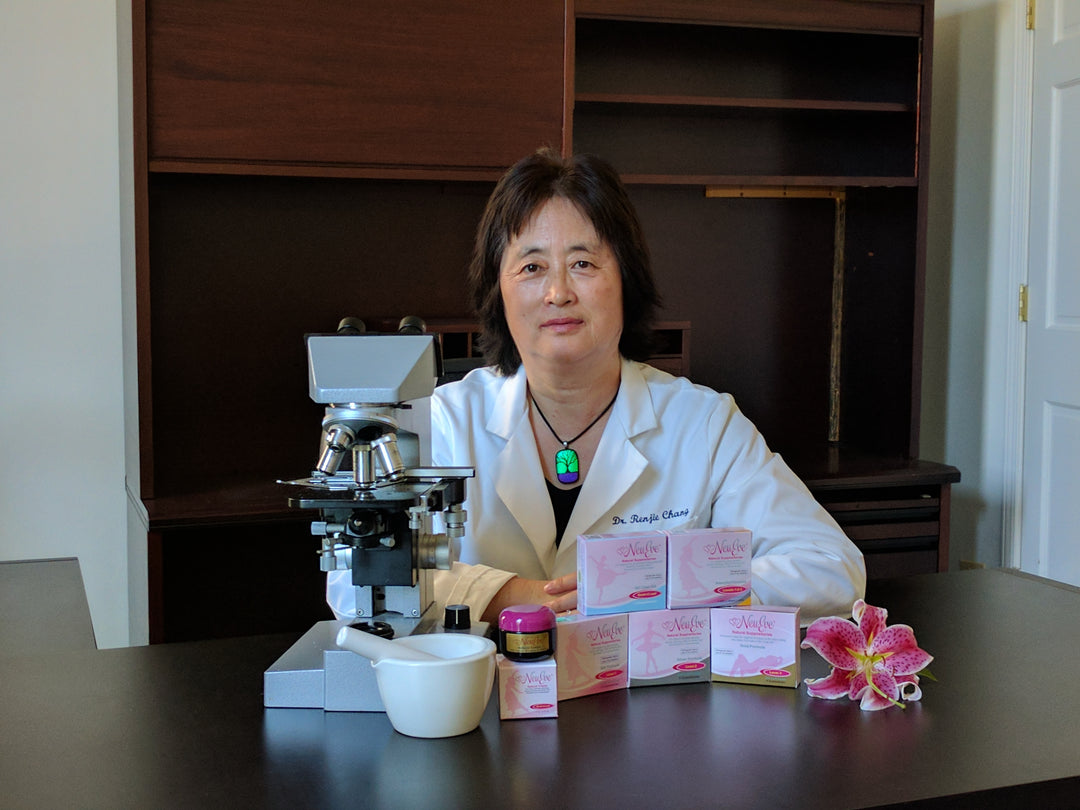
Using natural BV support options such as NeuEve’s BV kits right after BV-triggering events, such as sex or your period, helps fight off new infections by maintaining a properly acidic vaginal pH. Other women like you have found relief from recurrent BV by using BV Clear after triggering events:
[Callout for customer review] I never write reviews but I want to help others struggling with resistant, reoccurring BV. I had a serious case of BV for over three months. It was a first for me. I was at my OB's office weekly. I went through 4 rounds of antibiotics, tried boric acid and probiotic [vaginal] suppositories, nothing worked and I felt very defeated. That was when I came across NeuEve's BV Clear. I followed the regimen for the serious BV Case (three packs) and then followed up with one after the last day of my first period after treatment. I just got my lab test results back from Evvy today and I am officially clear of BV. - NeuEve BV Clear user
What habits may help support vaginal recovery and balance?
While it may not stop every infection, adopting habits that support a healthy vaginal environment (think: balanced bacteria levels and optimal pH) can help lower your risk of BV. Limit disruptions to your vaginal environment by:
-
Avoiding douching
-
Using condoms during sex
-
Limiting your number of sexual partners
-
Wearing cotton or cotton-lined underwear
-
Wiping from front to back after using the bathroom
-
Avoiding heavily fragranced vaginal products
How to get rid of BV without antibiotics
After you’ve received an accurate diagnosis of BV, your next step is treatment. Antibiotics are the recommended treatment for active bacterial vaginosis infections.
However, protecting your vaginal microbiome can help prevent bacterial vaginosis before it starts…and restoring your microbiome can help keep BV from coming back. Probiotic support, vaginal moisturizers, and NeuEve’s OBGYN-developed suppositories help maintain a healthy vaginal pH and bacterial balance. Focusing on vaginal health beyond infection treatment alone may support lasting BV relief.
Sources Cited
Kairys, N., & Garg, M. (2024). Bacterial Vaginosis. Nih.gov; StatPearls Publishing. https://www.ncbi.nlm.nih.gov/books/NBK459216/
Abbe, C., & Mitchell, C. M. (2023). Bacterial vaginosis: a review of approaches to treatment and prevention. Frontiers in Reproductive Health, 5(1). https://doi.org/10.3389/frph.2023.1100029
Jewanraj, J., Ngcapu, S., Osman, F., Mtshali, A., Singh, R., Mansoor, L. E., Abdool Karim, S. S., Abdool Karim, Q., Passmore, J.-A. S., & Liebenberg, L. J. P. (2020). The Impact of Semen Exposure on the Immune and Microbial Environments of the Female Genital Tract. Frontiers in Reproductive Health, 2. https://doi.org/10.3389/frph.2020.566559
Oliveira, N. S. de, Lima, A. B. F. de, Brito, J. C. R. de, Sarmento, A. C. A., Gonçalves, A. K. S., & Eleutério, J. (2022). Postmenopausal Vaginal Microbiome and Microbiota. Frontiers in Reproductive Health, 3. https://doi.org/10.3389/frph.2021.780931
Łaniewski, P., & Herbst-Kralovetz, M. M. (2022). Connecting microbiome and menopause for healthy ageing. Nature Microbiology, 7(3), 354–358. https://doi.org/10.1038/s41564-022-01071-6
Bacterial vaginosis | Office on Women’s Health. (2017). OASH | Office on Women’s Health. https://womenshealth.gov/a-z-topics/bacterial-vaginosis


Leave a comment