



Estrogen Cream for Vaginal Dryness: What it is, How It Works, and What the Alternatives Are
There are many treatment options for vaginal dryness. While this is absolutely a good thing, it can make deciding between treatments overwhelming and leave you with questions.
Wondering if estrogen cream for vaginal dryness is right for you, or looking for an effective non-hormonal alternative? Read on as we discuss vaginal estrogen’s benefits and risks, and compare key treatment details.
Why does vaginal dryness happen and what is going on in the body?
Vaginal dryness happens when your estrogen levels decrease. Without estrogen, blood flow to your pelvic area reduces, and your vaginal tissue receives fewer nutrients. Vaginal tissues become thinner, less lubricated, and more fragile. This can lead to dryness, irritation, burning, causing vaginal discomfort during sex.
In general, anything that reduces your estrogen levels can cause vaginal dryness. Common causes of low estrogen, which leads to vaginal dryness, include:
-
The menopause transition
-
Surgeries or other medical treatments that cause a sudden transition through menopause (i.e., hysterectomy and/or removal of the ovaries)
-
Breastfeeding
-
Treatments for certain cancers, such as breast and ovarian cancer
-
Certain types of oral contraceptive pill
What is estrogen cream and how does it work for vaginal dryness?
Estrogen cream is a hormone therapy. This means it’s a treatment that replaces the estrogen your body has stopped producing naturally. You apply estrogen cream directly into your vagina, where it works to restore blood flow. This blood flow brings nutrients that support vaginal wall thickness, moisture, and elasticity.
Besides creams, estrogen therapy is also available as vaginal inserts in the form of small tablets or softgels. The estrogen in these treatments is either synthetic (made in a lab) or derived from the urine of pregnant horses (conjugated equine estrogen). Some women notice mild, temporary vaginal discharge with this form.
What types of vaginal estrogen cream are available and how are they used?
Prescription hormonal treatment options for vaginal dryness include creams, rings, suppositories, and gels. Here’s what you need to know about these treatments.
Want a quick overview? Check out a table breakdown here.
Creams
Premarin
What it is: Premarin is a conjugated estrogen cream that you put into your vagina with an applicator, either daily or twice-weekly depending on your symptom severity.
Who it’s for: This option is best for those who prefer a well-established hormonal cream to ease their symptoms.
Key features:
-
Decades of clinical use
-
Effective for moderate to severe vaginal dryness
-
Not for those with breast cancer or a history of breast cancer
Considerations: Premarin uses estrogen that comes from the urine of pregnant mares. Because of this, some vegetarians, vegans, and anti-animal-cruelty activists choose to avoid it.
Estrace Cream
What it is: Estrace is an estradiol (a type of estrogen) cream that you put into your vagina with an applicator 1-3 times per week.
Who it’s for: This is a common treatment for vaginal dryness during menopause, and is best for women who prefer a cream with synthetic hormones.
Key features:
-
Contains bioidentical synthetic estrogen
-
Applicator allows for flexible dosage
-
Not made with animal products
Considerations: Having penetrative sex after applying this cream may lower the amount of estradiol that your system absorbs, and it exposes your male partner to estrogen. As a result, the amount of estrogen in your partner’s blood can increase.
Non-cream alternative: Vaginal inserts
Vagifem and Yuvafem
What it is: Vagifem and Yuvafem are different names for the same medication. They are estradiol tablets that you insert into your vagina with an applicator once daily for two weeks, and then twice a week after that.
Who it’s for: These treatments are best for menopausal women who don’t want the messiness of a vaginal estrogen cream, and prefer synthetic hormones.
Key features:
-
Contains bioidentical synthetic estrogen
-
Small tablet that sticks to the wall of your vagina (it doesn’t fall out)
-
Less mess than an estrogen cream
Intrarosa
What it is: Intrarosa is an inch-long vaginal suppository you insert every night before you sleep. Instead of containing estrogen itself, Intrarosa contains DHEA, which your body then converts into estrogen.
Who it’s for: Intrarosa is best for postmenopausal women who don’t want the messiness of a vaginal cream, and who don’t want to take estrogen directly.
Key features:
-
Daily vaginal insert
-
Works through hormone precursors rather than estrogen itself
Considerations: There have been no studies on the use of Intrarosa in women with a history of breast cancer. This means the research can neither confirm or deny whether it is safe to use if you have a history of hormone-sensitive cancer.
Non-cream alternative: Other hormonal options
Estring
What it is: Estring is a flexible ring that you insert into your vagina once every 90 days. Estring releases estradiol into your vagina consistently and steadily.
Who it’s for: Estring is best for women who prefer a “set it and forget it” approach to estrogen therapy. Estring may not be best for women with short or narrow vaginal canals.
Key features:
-
No daily insertion or application required
-
Requires replacement every three months
Considerations: In 2018, the FDA issued a warning letter to Estring for marketing that didn’t make the risks and potential adverse effects sufficiently clear. This happened before the FDA removed the black box warning (the most serious warning label) from all vaginal estrogen products.
Estrogel
What it is: Estrogel is a topical gel containing estradiol that you apply to your arm once daily. It absorbs through your skin to enter your bloodstream.
Who it’s for: This option is best for women dealing with vasomotor menopausal symptoms (hot flashes, night sweats, and palpitations), as well as vaginal dryness.
Key features:
-
Not applied into the vagina
-
Systemic estrogen therapy absorbed into the bloodstream
-
Can help with full-body menopausal symptoms
Considerations: The FDA issued a warning letter to Estrogel for marketing material that claimed that Estrogel contained the lowest effective dose of transdermal estrogen, when this was not the case.
Who is a good candidate for vaginal estrogen cream and who may need to avoid it?
While effective, vaginal estrogen is not for everyone. If you’re considering estrogen for vaginal dryness, speak with your healthcare provider openly and honestly about your symptoms, treatment preferences, and any concerns.

Vaginal estrogen may be a good option if you:
-
Have no history of endometriosis
-
Have no history of undiagnosed, abnormal vaginal bleeding
-
Have no history or family history of breast, ovarian, or endometrial cancer
-
Start using estrogen before age 60, or within 10 years of your final menstrual period
-
Prefer using hormone therapy for vaginal dryness
You may need to avoid vaginal estrogen if you:
-
Currently have or have a history of breast, ovarian, or endometrial cancer
-
Have a history of endometriosis
-
Have had a stroke, heart attack, or other condition due to blood clots
-
Have liver dysfunction or disease
-
Have or have a history of blood clots or a blood clotting disorder
-
Prefer using a hormone-free solution for vaginal dryness
What are the potential risks or concerns associated with estrogen cream?
Until November 2025, estrogen cream carried the FDA’s most serious warning label, called a black box warning, for risks of endometrial cancer, breast cancer, heart disease, and probable dementia.
The FDA has removed this warning, though not everyone agrees with this decision. 76 researchers and clinicians signed a letter to the FDA opposing the black box warning removal, saying there isn’t enough research to safely justify this decision.
Hormone therapy may carry an increased risk of:
-
Uterine cancer, if you still have a uterus and take estrogen without progestin (another hormone that helps keep your uterine lining from growing excessively)
-
Breast cancer, especially for those using estrogen long-term
-
Heart disease, if you start taking estrogen 10 years or more after your final menstrual period
-
Blood clots and stroke
-
Gallbladder disease
How does vaginal estrogen compare to systemic hormone therapy for vaginal dryness?
Vaginal estrogen is a local hormone therapy. This means you apply the treatment directly where you’re feeling symptoms. Systemic hormone therapy, which you take through either a patch or a pill, enters your bloodstream and affects your entire body.
The research that currently exists suggests that, compared to systemic hormone therapy, vaginal estrogen does not deliver as much estrogen into circulation throughout your body. Therefore, some providers consider vaginal estrogen safer than systemic hormone therapy.
However, most of these studies were only 12 weeks long. We don’t have robust information about how vaginal estrogen affects women long-term, or the extent to which vaginal estrogen is absorbed and travels through the rest of the body with systemic effects.
In a perfect world, vaginal estrogen cream would only affect your vaginal tissue. However, a hormone’s job is to travel throughout your system, and your vagina is not separate from the rest of your body. If you’d rather avoid the uncertainty and steer clear of hormones altogether, several effective, safe, and hormone-free vaginal dryness treatments exist.
What natural, hormone-free alternatives exist for women who cannot or prefer not to use estrogen?
Hormone-free treatments for vaginal dryness include over-the-counter (OTC) vaginal moisturizers, lubricants, and suppositories. If you can’t or prefer not to use estrogen cream, the following options can help bring vaginal dryness relief.
Revaree
What it is: Revaree is a hyaluronic acid-based vaginal insert that works by attracting and maintaining water, which can help replenish and maintain vaginal moisture. Hyaluronic acid is prevalent in skin care products and lip filler.
Who it’s for: Revaree is best for either pre- or postmenopausal women looking for a scientifically tested, hormone-free vaginal dryness treatment.
Key features:
-
Clinically tested, hormone-free, and OTC
-
Original and extra-strength formulas available
-
Benefits continue to improve over time
Considerations: Revaree contains semi-synthetic glycerides, which can break down polyurethane and latex condoms.
NeuEve vaginal salves and suppositories
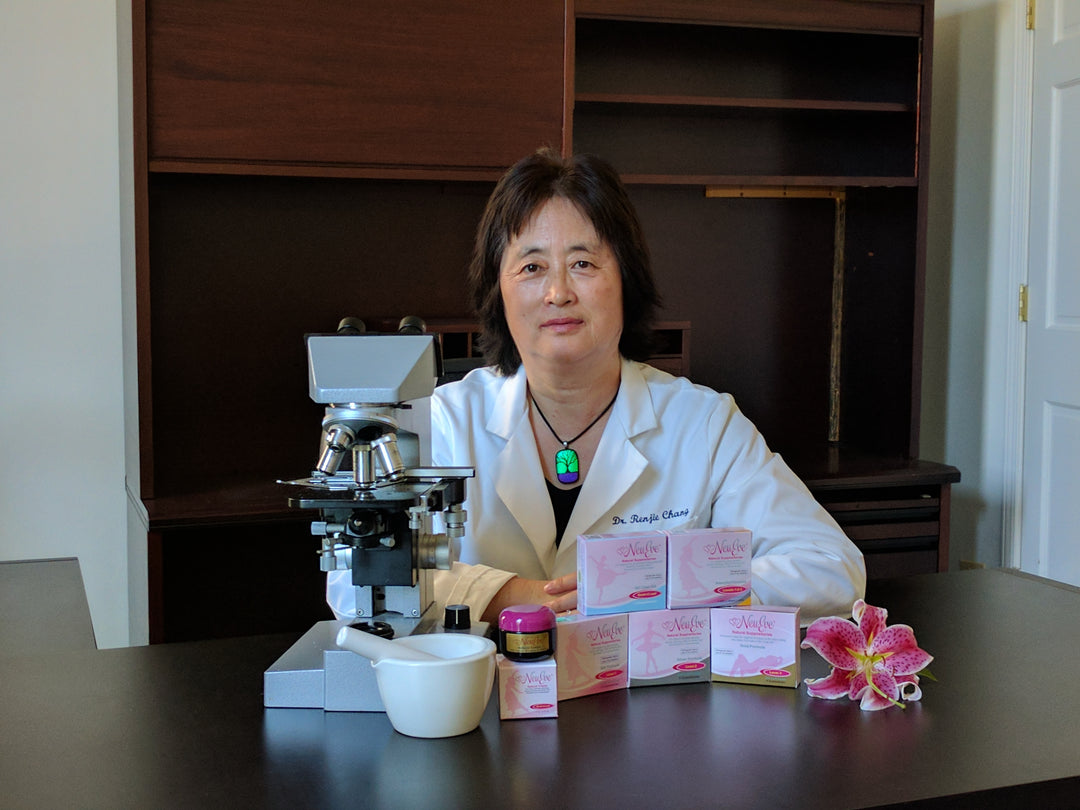
What it is: NeuEve makes all-natural vaginal salves for dryness relief, which you apply externally to nourish vulvar tissues and support collagen and elasticity. This can help ease discomfort related to atrophic vaginitis. NeuEve’s suppositories directly supply needed nutrients to vaginal tissues to improve vaginal wall thickness, moisture, and elasticity.
Who it’s for: NeuEve’s vaginal dryness kits are best for either pre- or postmenopausal women looking for an all-natural, hormone-free treatment for long-term vaginal comfort and health.
Key features:
-
All-natural, hormone-free, cruelty-free, and OTC
-
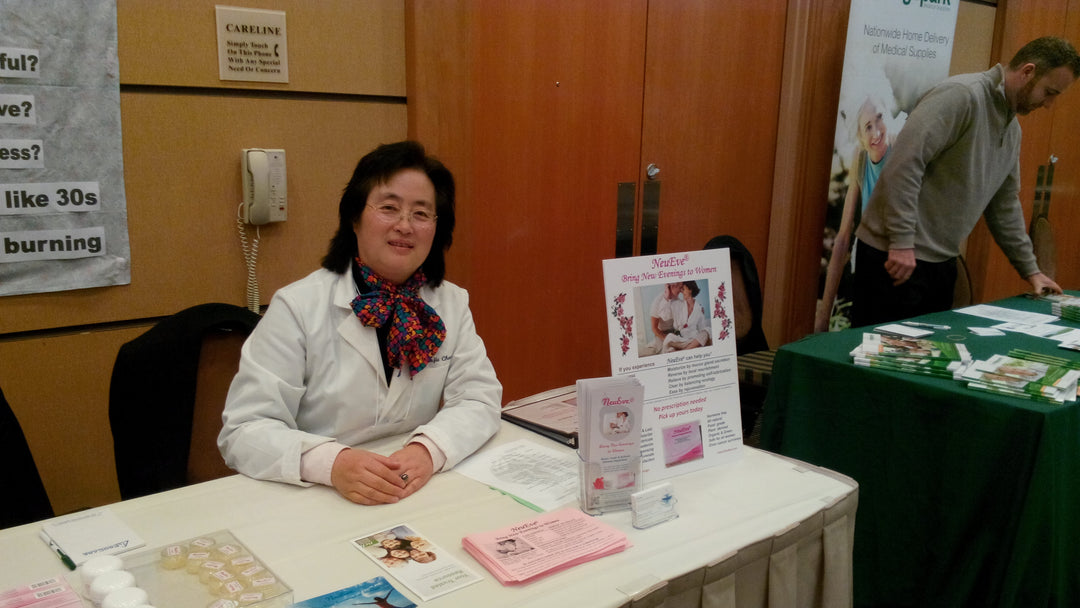
Formulated and invented by an OB-GYN
-
Different treatment kits available depending on your age
-
Provides nutrients directly to vaginal and vulvar tissues
Considerations: Always wash your hands before and after applying NeuEve salve. Applying too much NeuEve salve can cause burning, so start with small amounts. If you menstruate, you shouldn’t use it while on your period.
How do women choose between estrogen cream and all-natural vaginal moisturizers?
For most women, the choice between estrogen cream and an alternative treatment for vaginal dryness depends on their symptom severity, medical history, and personal preferences.
Your health needs are unique to you, and your comfort matters. While it may take some trial and error, finding the right treatment is worth the time and effort.
Treatment comparison chart
|
Product |
Type |
Available OTC? |
Contains Estrogen? |
Best For |
Not For |
Advantages |
Drawbacks |
|
Premarin |
Cream |
No |
Yes (conjugated equine estrogen) |
Women with moderate to severe vaginal dryness who want a well-established treatment |
Women looking for a vegan or plant-based treatment |
Long history of use and strong clinical evidence |
Derived from pregnant mares' urine and requires regular application |
|
Estrace |
Cream |
No |
Yes (synthetic estradiol) |
Women who want flexible dosing and localized estrogen therapy |
Women who prefer a low-maintenance treatment |
Bioidentical estrogen delivered directly to vaginal tissue |
Can transfer to men after penetrative sex |
|
Vagifem & Yuvafem |
Vaginal insert (tablet) |
No |
Yes (synthetic estradiol) |
Women who prefer a less messy alternative to creams |
Women who dislike inserting vaginal products multiple times per week |
Less messy than creams and easy to use |
Tablet format offers less dosing flexibility than creams |
|
Intrarosa |
Vaginal suppository |
No |
No estrogen directly (contains DHEA/prasterone) |
Women interested in a hormone precursor rather than estrogen itself |
Women looking to avoid hormone metabolism altogether |
Converted locally into estrogen and androgens within vaginal tissues |
Requires daily use and may be more expensive than some alternatives |
|
Estring |
Vaginal ring |
No |
Yes (synthetic estradiol) |
Women who prefer low-maintenance treatment |
Women with short or narrow vaginal canals |
Continuous estrogen delivery for 90 days |
Can come out or cause discomfort while in place. Can cause vaginal swelling in some users. |
|
Estrogel |
Gel applied to arm |
No |
Yes (synthetic estradiol) |
Women treating both vaginal symptoms and systemic symptoms such as hot flashes |
Women whose only symptom is vaginal dryness or who should avoid systemic estrogen |
Addresses whole-body menopausal symptoms |
Exposes the entire body to estrogen rather than treating the vagina locally |
|
Revaree |
Vaginal suppository |
Yes |
No |
Women who want a hormone-free moisturizer for mild to moderate dryness |
Women experiencing severe vaginal tissue thinning or significant pain |
Uses hyaluronic acid to improve hydration |
Primarily provides hydration and may not address underlying tissue changes associated with low estrogen |
|
NeuEve |
Vaginal suppository and vulvar salve |
Yes |
No |
Women seeking an all-natural, hormone-free option to support moisture, tissue comfort, and vaginal health |
Women looking for a prescription medication with clinical trial data |
Designed to support moisture, comfort, tissue nourishment, and vaginal pH balance |
Results may build gradually, and the best formula varies depending on age and symptom severity |
Sources
Faubion, S. S., Sood, R., & Kapoor, E. (2017). Genitourinary Syndrome of Menopause: Management Strategies for the Clinician. Mayo Clinic Proceedings, 92(12), 1842–1849. https://doi.org/10.1016/j.mayocp.2017.08.019
Hurst, B. S., Jones, A. I., Elliot, M., Marshburn, P. B., & Matthews, M. L. (2008). Absorption of vaginal estrogen cream during sexual intercourse: a prospective, randomized, controlled trial. The Journal of Reproductive Medicine, 53(1), 29–32. https://pubmed.ncbi.nlm.nih.gov/18251358/
Cleveland Clinic. (2021, June 28). Hormone therapy for menopause: Types, benefits & risks. Cleveland Clinic. https://my.clevelandclinic.org/health/treatments/15245-hormone-therapy-for-menopause-symptoms
Lethaby, A., Ayeleke, R. O., & Roberts, H. (2016). Local oestrogen for vaginal atrophy in postmenopausal women. Cochrane Database of Systematic Reviews. https://doi.org/10.1002/14651858.cd001500.pub3
Vagifem (estradiol vaginal inserts) [package insert]. Plainsboro, NJ: Novo Nordisk Inc; revised February 2024. Accessed July 3, 2026. https://www.accessdata.fda.gov/drugsatfda_docs/label/2024/020908s030lbl.pdf
PREMARIN Vaginal Cream [prescribing information]. Philadelphia, PA: Wyeth Pharmaceuticals LLC, a subsidiary of Pfizer Inc.; 2025. Accessed July 3, 2026. https://www.accessdata.fda.gov/drugsatfda_docs/label/2025/020216s084lbl.pdf
Estrace (estradiol vaginal cream USP 0.01%) [prescribing information]. Irvine, CA: Allergan, Inc.; 2022. Accessed July 3, 2026. https://www.accessdata.fda.gov/drugsatfda_docs/label/2022/086069Orig1s026lbl.pdf
Yuvafem (estradiol vaginal inserts) [prescribing information]. Bridgewater, NJ: Amneal Pharmaceuticals LLC; 2024. Accessed July 3, 2026. https://www.accessdata.fda.gov/spl/data/031f1183-cb64-450f-8542-14bda071e6ea/031f1183-cb64-450f-8542-14bda071e6ea.xml
INTRAROSA (prasterone) vaginal inserts [prescribing information]. Quebec City, QC: Endoceutics Inc.; 2018. Accessed July 3, 2026. https://www.accessdata.fda.gov/drugsatfda_docs/label/2018/208470s001lbl.pdf
Estring (estradiol vaginal ring) [prescribing information]. New York, NY: Pfizer Inc.; 2008. Accessed July 3, 2026. https://www.accessdata.fda.gov/drugsatfda_docs/label/2008/020472s007lbl.pdf
Estrogen and progestin (vaginal ring contraceptives). MedlinePlus. Revised February 15, 2020. Accessed August 16, 2026. https://medlineplus.gov/druginfo/meds/a604032.html
EstroGel (estradiol gel) 0.06% [prescribing information]. Herndon, VA: Ascend Therapeutics US, LLC; 2022. Accessed July 3, 2026. https://www.accessdata.fda.gov/drugsatfda_docs/label/2022/086069Orig1s026lbl.pdf


Leave a comment