



What is Vaginismus? Causes and Treatment Options
If you feel your vaginal muscles contract or spasm before or during activities like sex, inserting a tampon, or having a pelvic exam, you might have a condition called vaginismus.
It’s okay to feel confused, stressed, or embarrassed if you have vaginismus symptoms. Many women across the world experience it, even if they don’t talk about it. Fortunately, with the right treatment and regular self-care, you can manage the symptoms and even overcome vaginismus. You aren’t in this alone.
What is vaginismus? Is it different from general pelvic pain?
Vaginismus is the sudden, involuntary tightening of the muscles at the opening of the vagina when you experience or anticipate penetration. This can happen anytime you try to insert something into your vagina, from a partner’s penis, finger, or a sex toy, to a tampon or a speculum at the doctor’s office.
General pelvic pain is a broad term that includes various types of pain in the lower abdomen and pelvis. In contrast, vaginismus specifically involves the muscles that surround your vagina: the outermost pelvic floor muscles.
These outer pelvic muscles contract automatically, often without your control, making penetration uncomfortable or downright painful. For some people with vaginismus, penetration of any kind, including sexual intercourse, may even feel impossible.
What does vaginismus feel like?
Vaginismus causes the pelvic floor muscles to tighten or spasm. In some cases, they may tighten so much that your vagina feels completely closed. You may hear a sexual partner say it’s like “hitting a brick wall” during insertion.
Many women with vaginismus describe the sensation as tension, pain, and/or a burning feeling when they try to insert something into their vagina. It can make insertion feel difficult or even impossible.

What causes vaginismus?
The causes of vaginismus are complex and include physical, mental, and emotional elements. Fear or anxiety around penetration can cause the vaginal muscles to tighten involuntarily. The involuntary tightening creates a vicious cycle of fear → spasm → pain.
You can think of vaginismus like a cycle. If you’ve experienced painful vaginal penetration before, your body has learned to associate any insertion with pain. When your body expects pain, it goes into protective mode, causing your muscles to tighten. Unfortunately, this instinctive tightening can actually make the experience more painful…and so the cycle continues.
People can develop fear or anxiety around penetration for many reasons, including a lack of sexual education, fear of unwanted pregnancy, fear of pain, or past negative experiences with penetration. For some people, the fear is so deeply rooted that they don’t even realize it is there.
Some women with vaginismus have experienced physical or sexual abuse or trauma. This is not always the case, though: not everyone with vaginismus has been abused, and not everyone who has experienced trauma will develop vaginismus.
Some women experience vaginismus early in life: it starts when they first try penetrative sex or even after a difficult visit with the gynecologist. This is called primary vaginismus. Others can develop it later, even if they never had issues before: this is secondary vaginismus.
Because there are many potential underlying causes, vaginismus can affect anyone. Some women notice it in all situations involving penetration, while others may only experience it in specific situations (for example, during sex but not while inserting a tampon).
How is vaginismus typically diagnosed?
The main symptom of vaginismus is an automatic tightening of your outermost vaginal muscles during attempted penetration (or when you anticipate it).
To make an accurate diagnosis, your provider will review your sexual history and ask about your symptoms, including when they began, how often they occur, and what situations trigger them. They may also recommend a pelvic exam to rule out other causes. However, because pelvic exams can be quite difficult for those with vaginismus, this may not be necessary in all situations.
All of this may sound intimidating, especially if your symptoms are intense. Talk honestly with your provider before they start any examination: ask how they can modify their assessment to decrease pain and discomfort. Together, you can get to the root of the problem and get on track with the right treatment.
How does vaginismus affect your health and wellbeing?
The physical discomforts of vaginismus can take a toll on your mental health. You may feel embarrassed, frustrated, or anxious if you have difficulty connecting sexually with your partner. You may even avoid intimacy altogether to prevent vaginal pain. If penetration is too difficult, you might struggle to get pregnant or attend routine gynecological exams.
Without treatment, these obstacles and feelings can increase your stress and may lead to anxiety or depression. However, you might find it hard to talk to your healthcare providers about vaginismus because of fear, embarrassment, limited knowledge about sex, or cultural reasons. This can make it difficult to access the best treatment.
None of this means that you’re “broken” or “a hopeless case”. It just means that you’re human, and you need the right support to heal. The more you understand vaginismus, the sooner you can get on track towards recovery.
While vaginismus can feel isolating, know that there are many women out there going through the same thing: an estimated 1-7% of women worldwide struggle with vaginismus. In some countries such as Iran and Ghana, the prevalence is significantly higher.
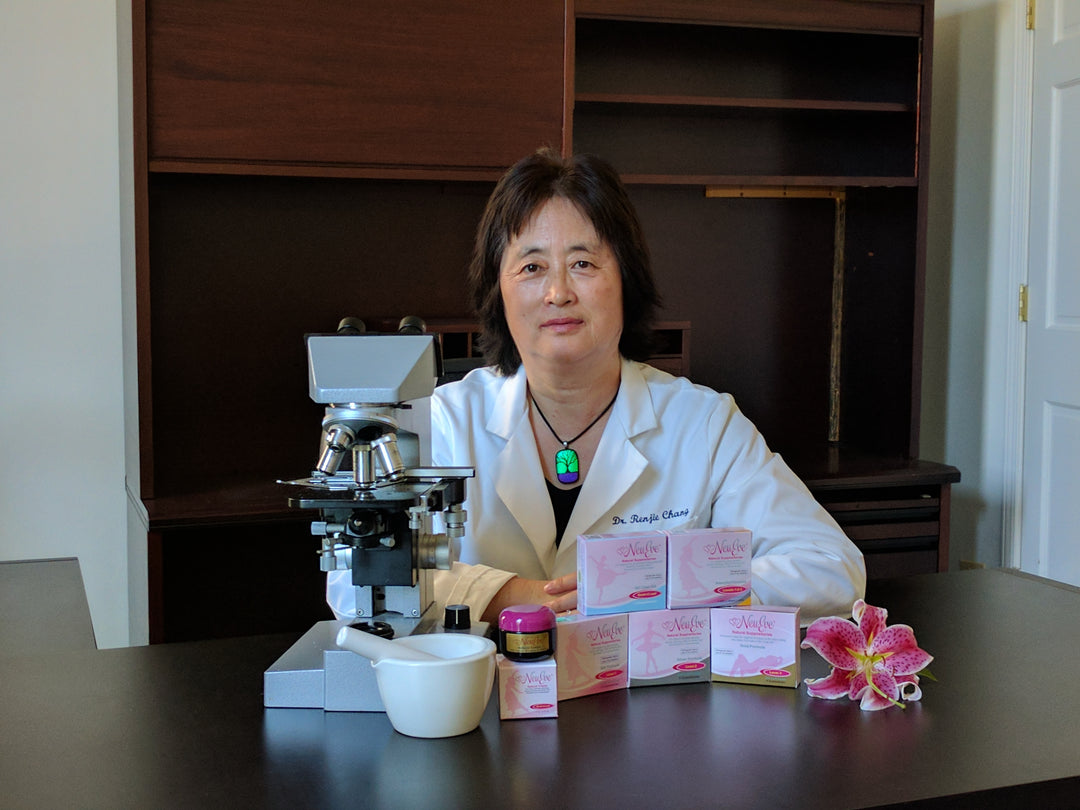
At NeuEve, we’ve spoken to hundreds of people who struggle with vaginismus, including the women who live with it and their concerned partners. We’ve worked hard to make treatments that can help you heal.
Is vaginismus related to menopause?
The physical changes that occur during the menopause transition can certainly cause pain with penetration. Decreasing estrogen levels during this transition lead to thinner vaginal tissues and less natural lubrication. These changes can make penetration painful, particularly during sex.
Usually, this is different from vaginismus: rather than immediate pain and tightness, you might not have pain until your partner or a toy is further inside.
However, several experiences of this kind of pain can trigger the cycle we talked about earlier, where your muscles contract as a protective reflex in response to or anticipation of future pain. This can lead to new symptoms of vaginismus (e.g., secondary vaginismus).
Fortunately, improving your vaginal tissue health and reducing dryness can help you break this cycle over time. We’ll discuss those next.
What natural, hormone-free approaches can help relieve vaginismus?
Many women with vaginismus find relief through a variety of treatment methods that focus on both mind and body. Data from more than 1,600 people with vaginismus found that 80% of the time, women benefited from multiple treatment approaches.
These treatment methods may include:
Education and counseling
When you know why these muscle spasms occur, you can help reduce fear and uncertainty around penetration. Your provider may recommend cognitive behavioral therapy or working with a sex therapist to help you address anxiety or past negative experiences.
Remember: this doesn’t mean that they’re saying your symptoms are “all in your head”. Instead, this is a whole-person approach to care: it recognizes that our minds and bodies are connected and affect each other.
Pelvic floor relaxation exercises
When you learn how to relax your pelvic floor muscles, you can prevent involuntarxy tightening over time. Note: these are not the same as Kegel exercises! Pelvic floor physical therapy specialists can help you learn these techniques and perform them properly.
Vaginal dilators (aka trainers)
Dilators are smooth, rounded tools made of plastic or silicone. You can use a dilator to gently apply pressure at the entrance of your vagina: this is a non-threatening, low-pressure way to teach your muscles to relax. Then, when you’re comfortable, you can gradually insert the dilator to provide a gentle stretch.
Dilators typically come in sets of increasing sizes, so you can progress at your own pace. Check out NeuEve’s selection of vaginal dilators and learn more about their benefits here.
Nourishing your vaginal tissues and pelvic floor
If you have vaginal dryness or irritation during penetration, hormone-free vaginal moisturizers can increase comfort and help break the pain-spasm-pain cycle. Think of moisturizers as a tool to help your muscles “forget” painful prior experiences.
At NeuEve, we offer 3 different vaginismus treatment kits: each kit is tailored based on your age range. You can learn more about NeuEve’s Vaginismus Treatment Plan here.
Success Stories
At NeuEve, we’re committed to helping all our customers struggling with sexual health problems. Whether you’ve had vaginismus your whole life or started having symptoms later in life, we’re here to help!
Kay, a NeuEve Silver user with vaginismus told us: “It helped me a lot with my primary vaginismus. I was able to insert the 3rd size of my small set dilator. I will continue using these products. They give great results.”
Betsy, a NeuEve Silk user from South Carolina told us: “Silk has been very restorative and used with the cream it’s been a life/marriage changer. Be sure to take your flax too! Just finished my first silver. These products have taken me back 20 years!”
Finding relief
Vaginismus can feel overwhelming, but support is out there. It's a common form of female sexual dysfunction, and it often responds well to the right treatment. When you understand what’s happening in your body, you can take that first step toward relief, regaining your confidence, and experiencing better vaginal and sexual health.
If you’ve experienced sexual trauma and you’re seeking support in recovery, here are some helpful resources:
-
RAINN’s Guide to Healing After Sexual Violence
-
Take Back the Night’s state-by-state resources list
Sources Cited
Pithavadian R, Chalmers J, Dune T. The experiences of women seeking help for vaginismus and its impact on their sense of self: An integrative review. Womens Health (Lond). 2023;19:17455057231199383. doi:10.1177/17455057231199383
Kesavan S. Pelvic pain in women. Merck Manual Consumer Version. Reviewed June 2024. Accessed July 4, 2026. https://www.merckmanuals.com/home/women-s-health-issues/symptoms-of-gynecologic-disorders/pelvic-pain-in-women
Chalmers KJ. Clinical assessment and management of vaginismus. Aust J Gen Pract. 2024;53(1-2):37-41. doi:10.31128/AJGP/06-23-6870
Pacik PT. Understanding and treating vaginismus: a multimodal approach. Int Urogynecol J. 2014;25(12):1613-1620. doi:10.1007/s00192-014-2421-y
Rochera MB. Physiotherapy in treating sexual pain disorders in women: a systematic review. Adv Sex Med. 2016;6(3):26-32. doi:10.4236/asm.2016.63004
McEvoy M, McElvaney R, Glover R. Understanding vaginismus: a biopsychosocial perspective. Sex Relatsh Ther. 2024;39(3):680-701. doi:10.1080/14681994.2021.2007233
Raveendran AV, Rajini P. Vaginismus: Diagnostic Challenges and Proposed Diagnostic Criteria. Balkan Med J. 2024;41(1):80-82. doi:10.4274/balkanmedj.galenos.2023.2022-9-62
Laskowska A, Gronowski P. 267 vaginismus: an overview. J Sex Med. 2022;19(suppl 2):S228-S229. doi:10.1016/j.jsxm.2022.03.520
Nasim H, Nashwan AJ. The overlooked burden: Vaginismus and its greater prevalence in eastern women. Dialogues Health. 2025;6:100205. Published 2025 Jan 17. doi:10.1016/j.dialog.2025.100205
Carlson K, Nguyen H. Genitourinary syndrome of menopause. In: StatPearls. StatPearls Publishing; 2026. Updated October 5, 2024. Accessed July 4, 2026. https://www.ncbi.nlm.nih.gov/books/NBK559297/
Maseroli E, Scavello I, Rastrelli G, et al. Outcome of Medical and Psychosexual Interventions for Vaginismus: A Systematic Review and Meta-Analysis. J Sex Med. 2018;15(12):1752-1764. doi:10.1016/j.jsxm.2018.10.003


Leave a comment